Academics

לימודים אקדמיים

“Make the most of yourself by fanning the tiny, inner sparks of possibility into flames of achievement.”

– Golda Meir

Academics at a Glance

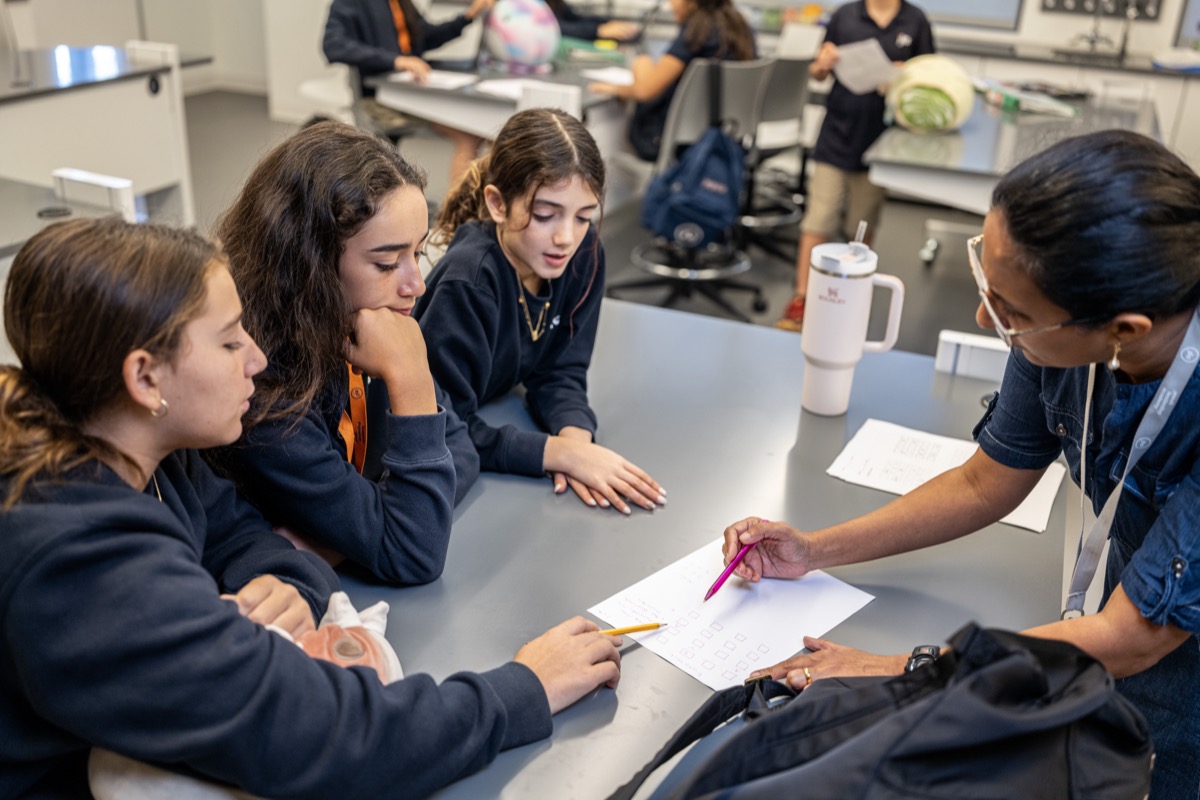
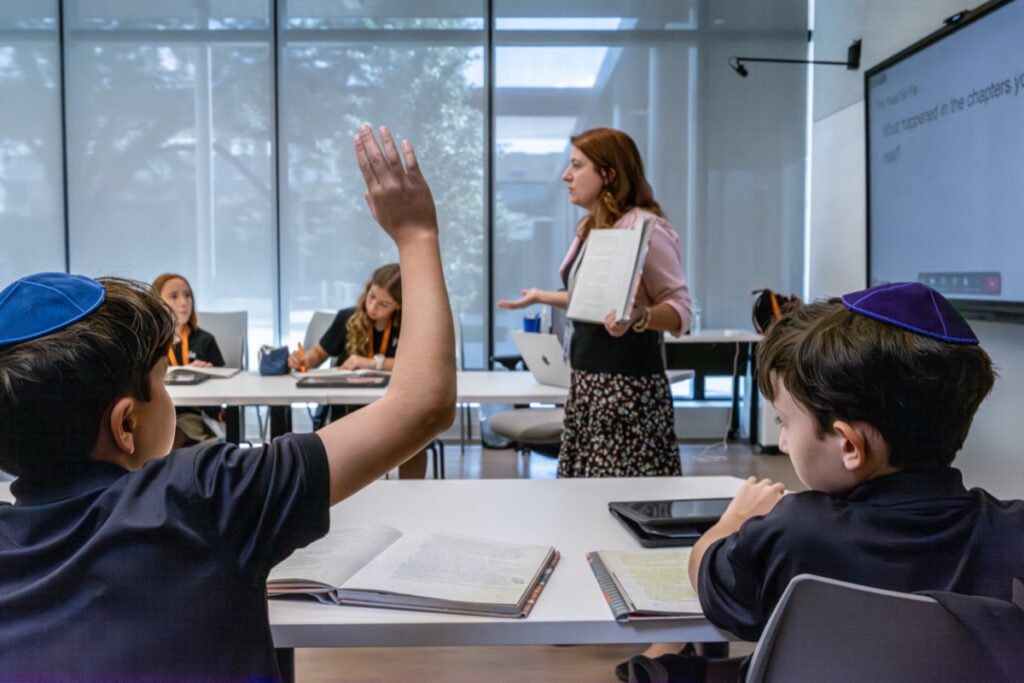
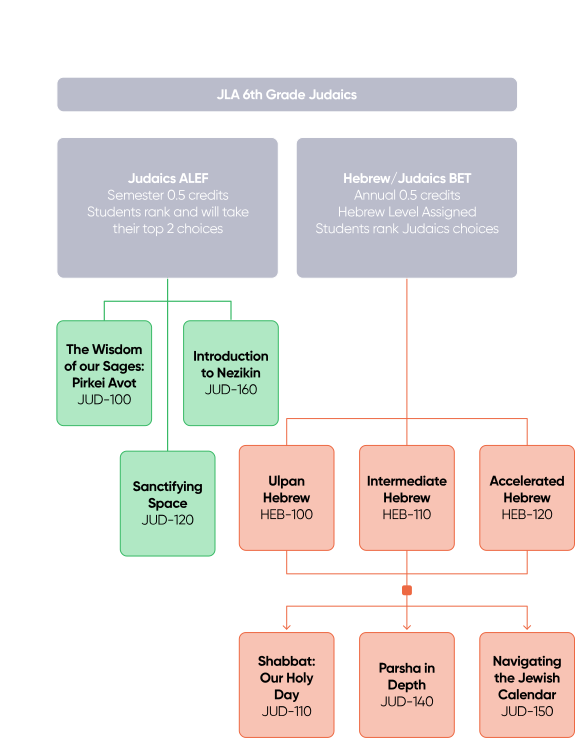
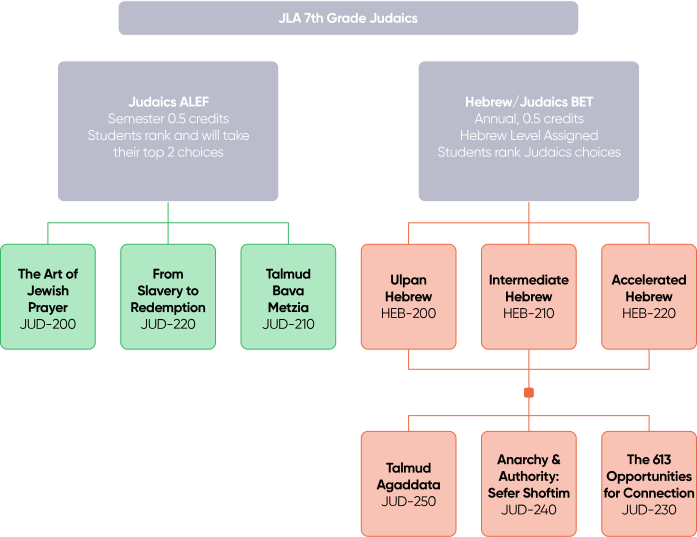
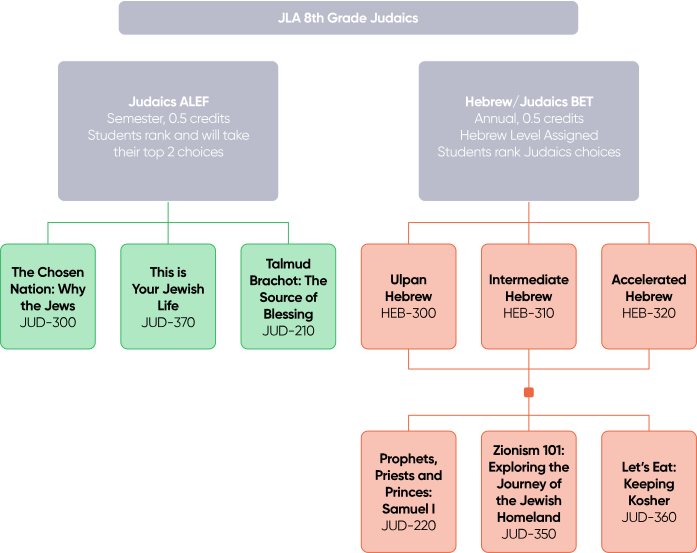
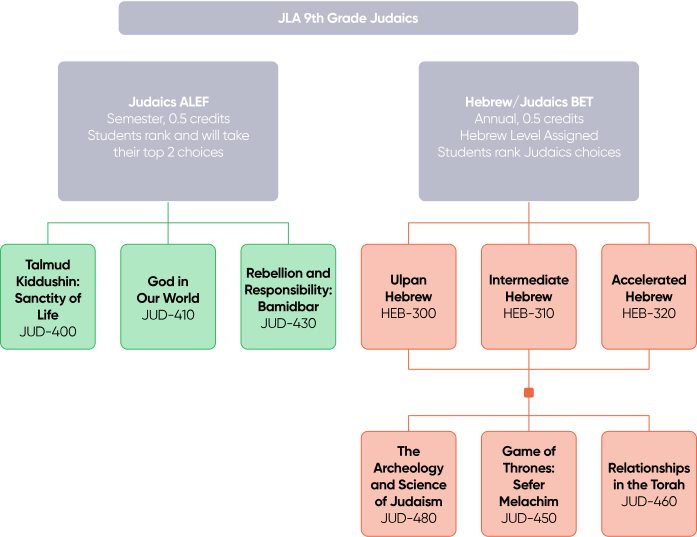
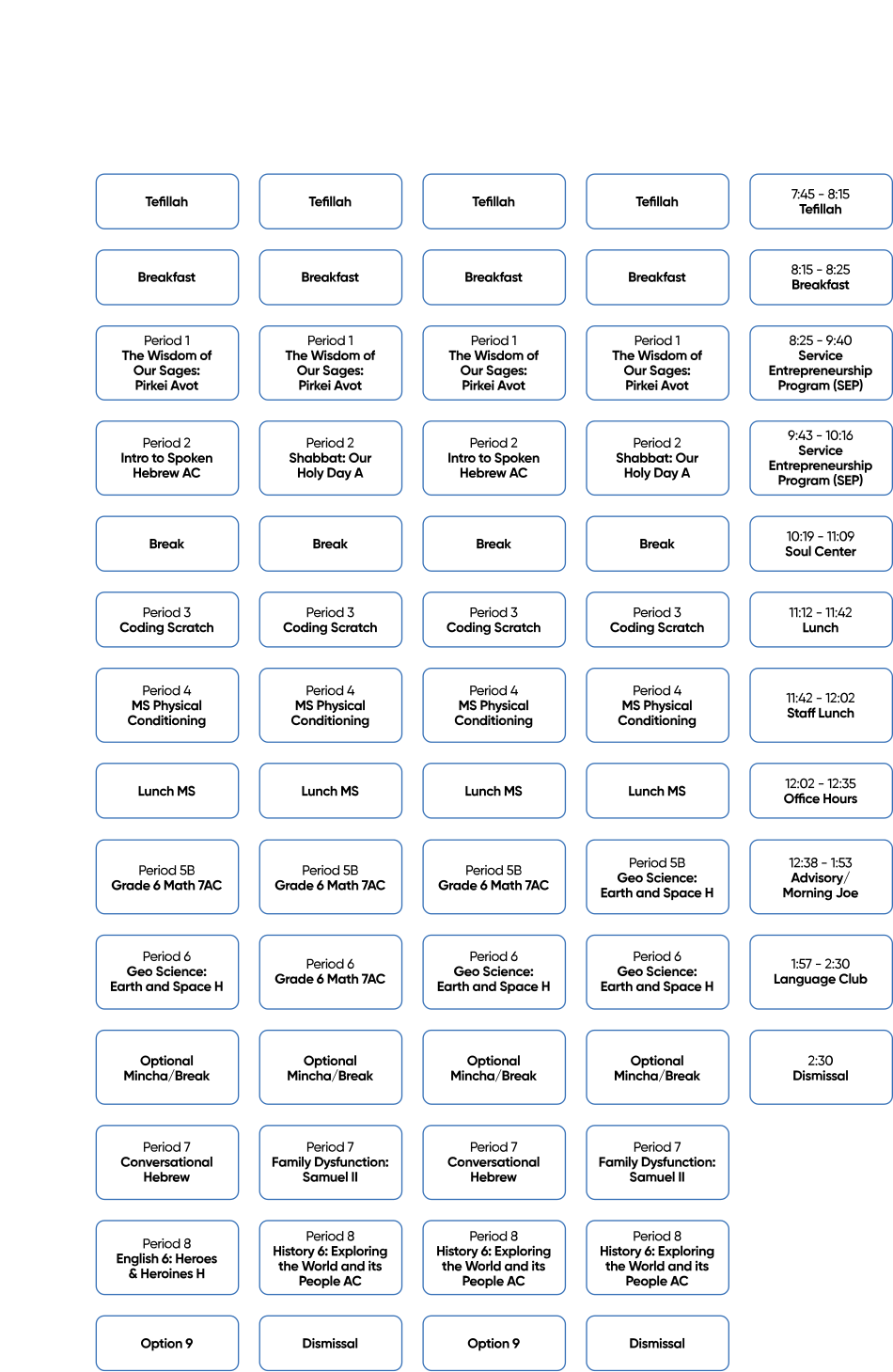
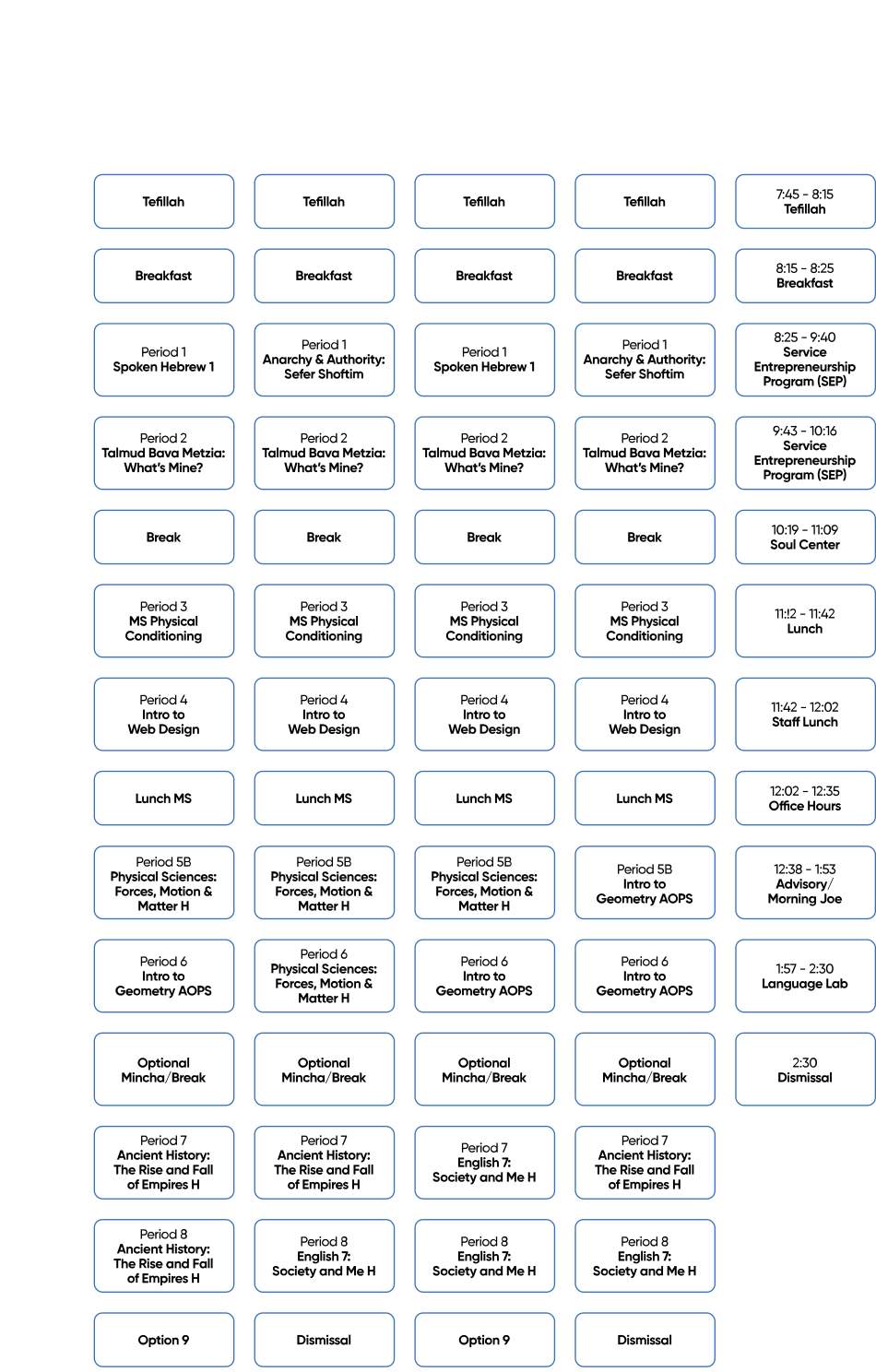
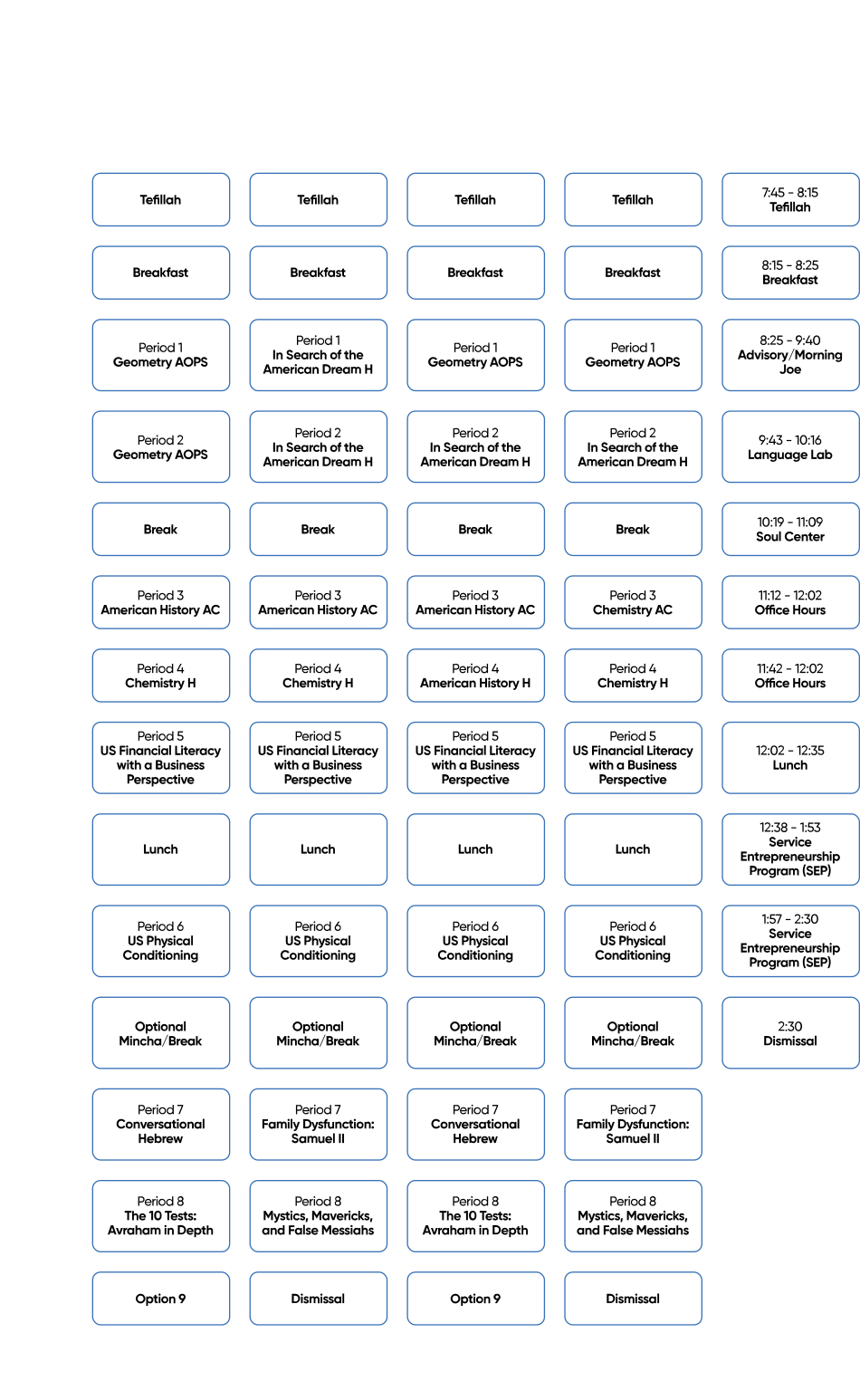
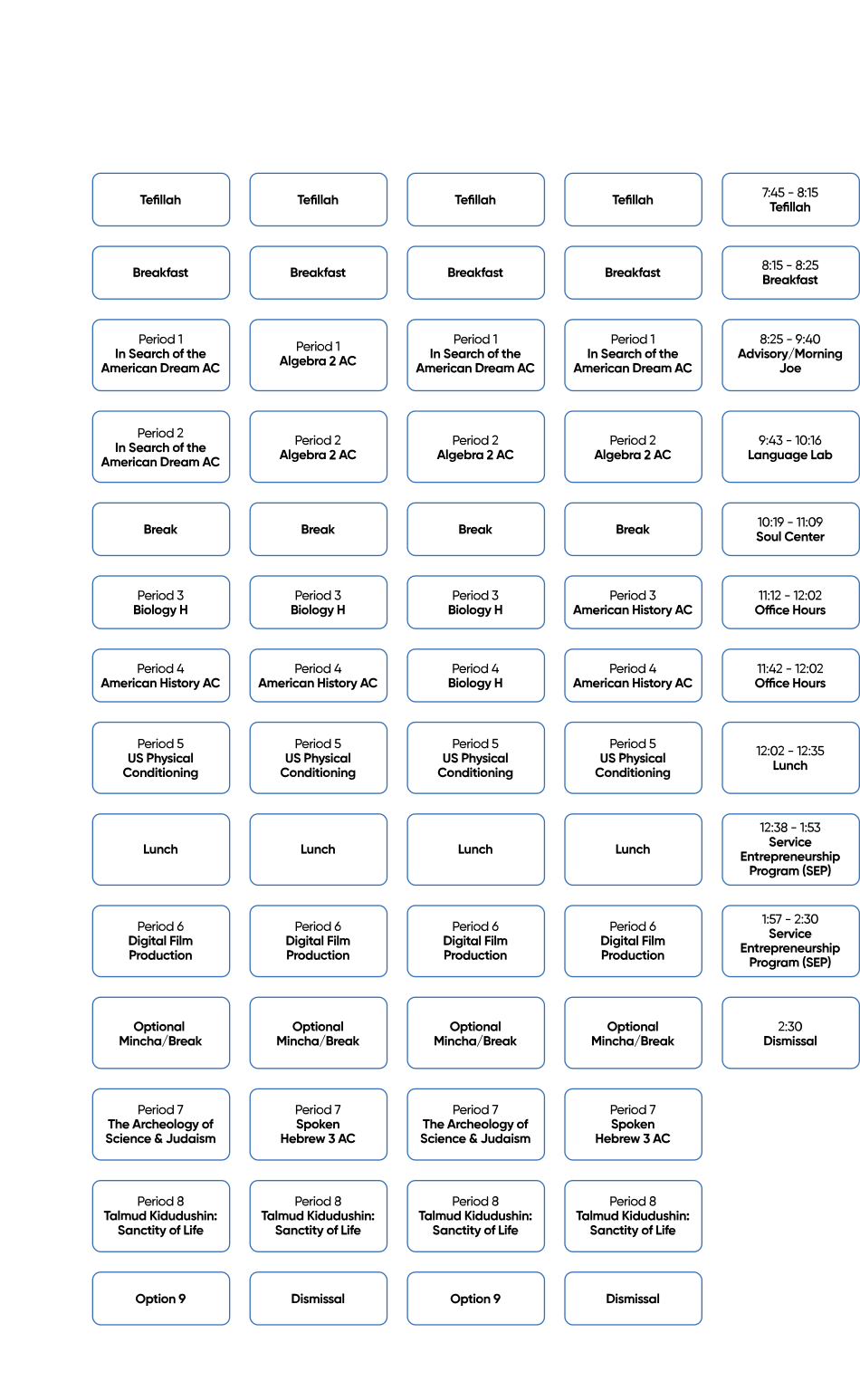
Students are enrolled in eight periods daily Monday through Thursday, including Judaic Studies, English, Mathematics, Science, and Social Science. They are also required to take a language course in Hebrew and a Judaic Studies elective two days a week.  

Additional requirements include a daily workout (physical conditioning), Art, STEM, and the option to enroll in a ninth period class for enrichment and exploration. 

The Friday schedule is unique and includes an advisory period, Soul Center, community service, leadership seminars and an independent study project.

By The Numbers

  • Faculty with advanced degrees
    77%
  • Student to teacher ratio
    6:1
  • Average class size
    15
  • Campus Size
    5.5 Acres
  • Students in grades six through twelve
    236
  • Feeder schools
    63
  • Languages spoken at home
    7
  • Countries represented by our families
    9
  • Athletic teams
    14
  • Students who participate in our indexed tuition program
    75%
  • Service hours performed by JLA students every year
    10,000
  • STEM Course Offerings
    63
  • Humanities & The Arts Course Offerings
    52
  • Judaic and Hebrew Course Offerings
    62

Curriculum

Curriculum

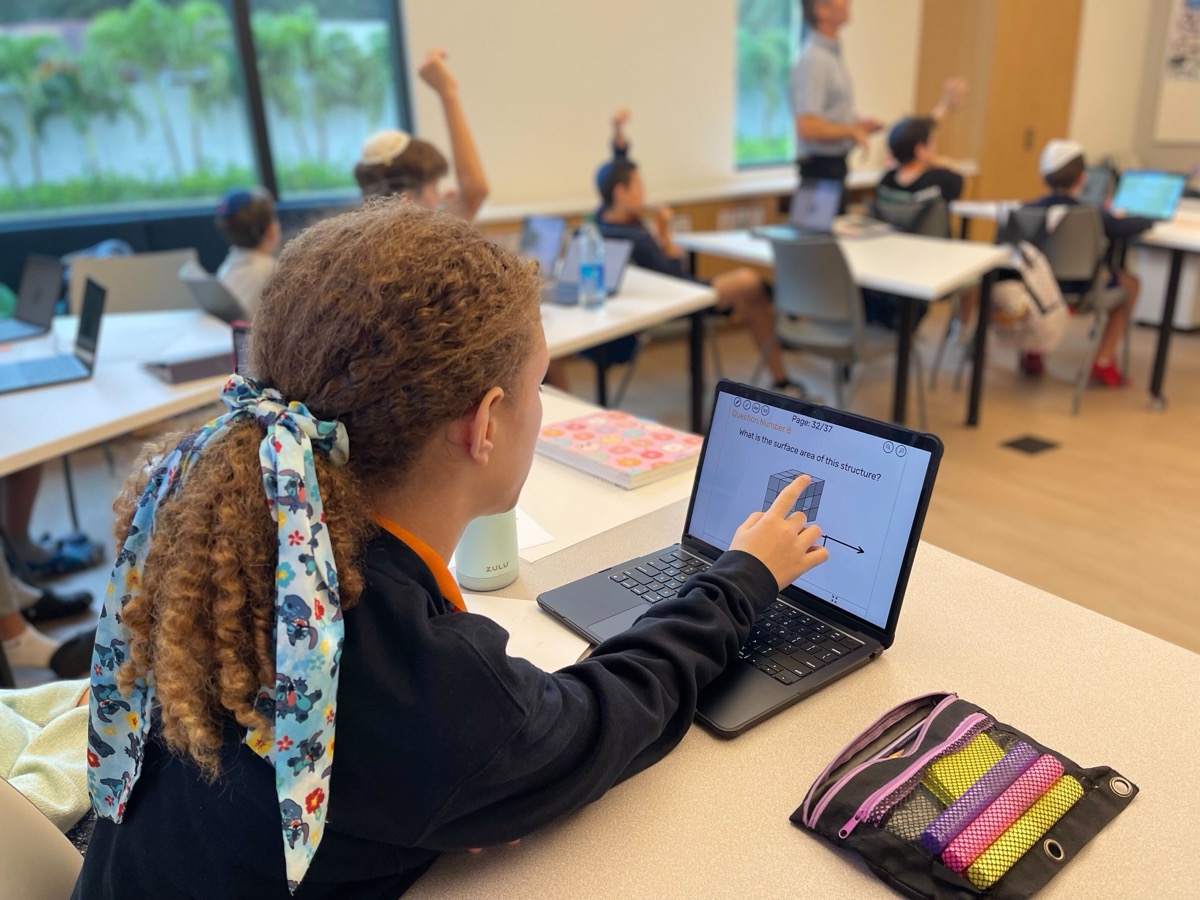
JLA’s math program features honors, accelerated, and competition tracks, all rooted in project-based learning to build critical thinking skills.

The Art of Problem Solving (AoPS) courses provide in-class time to prepare for the American Mathematics Competitions.

JLA's median MAP test score in math for Fall 2025 was 93%.

Middle School students compete in math competitions sponsored by the Israel Center for Excellence through Education.

33% of our Upper School students have been inducted into Mu Alpha Theta, the National Mathematics Honor Society. Inductees must demonstrate excellence in math, leadership, and scholarship.

More than 40% of our students are taking math classes that are one year above grade level, 30% of students are taking classes two years above grade level, 5% three years ahead and 3% four years ahead.

JLA’s science program offers honors, accelerated, and college-level tracks with real-world problem-solving.

Certified biotechnologists Gustavo R. ’26 and Talia W. ’26 recently earned the BACE industry credential, qualifying them for entry-level technician positions in the bioscience industry.

26% of our upper school students are members of the Science National Honor Society.

JLA’s Garden and Habi Center features raised garden beds, a beehive producing JLA honey, and a digital bird camera.

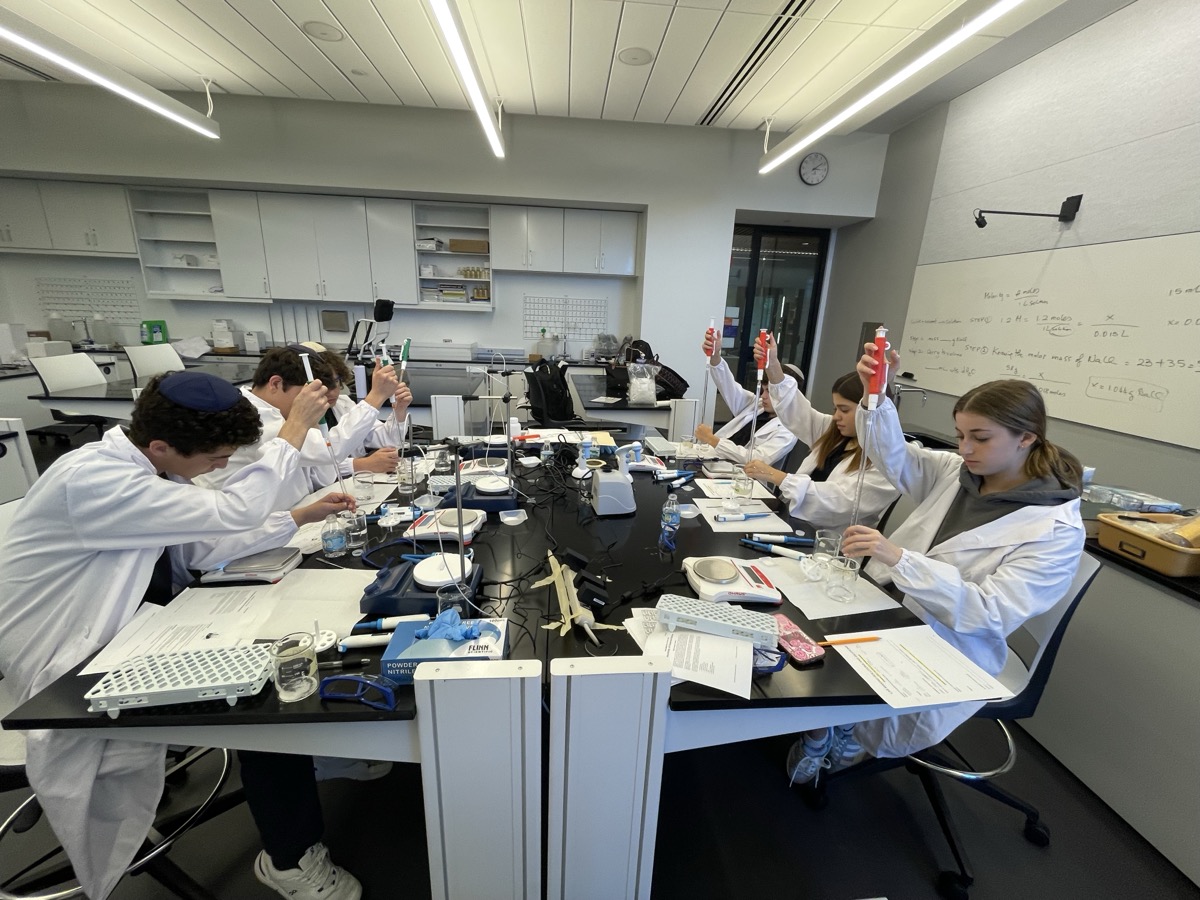
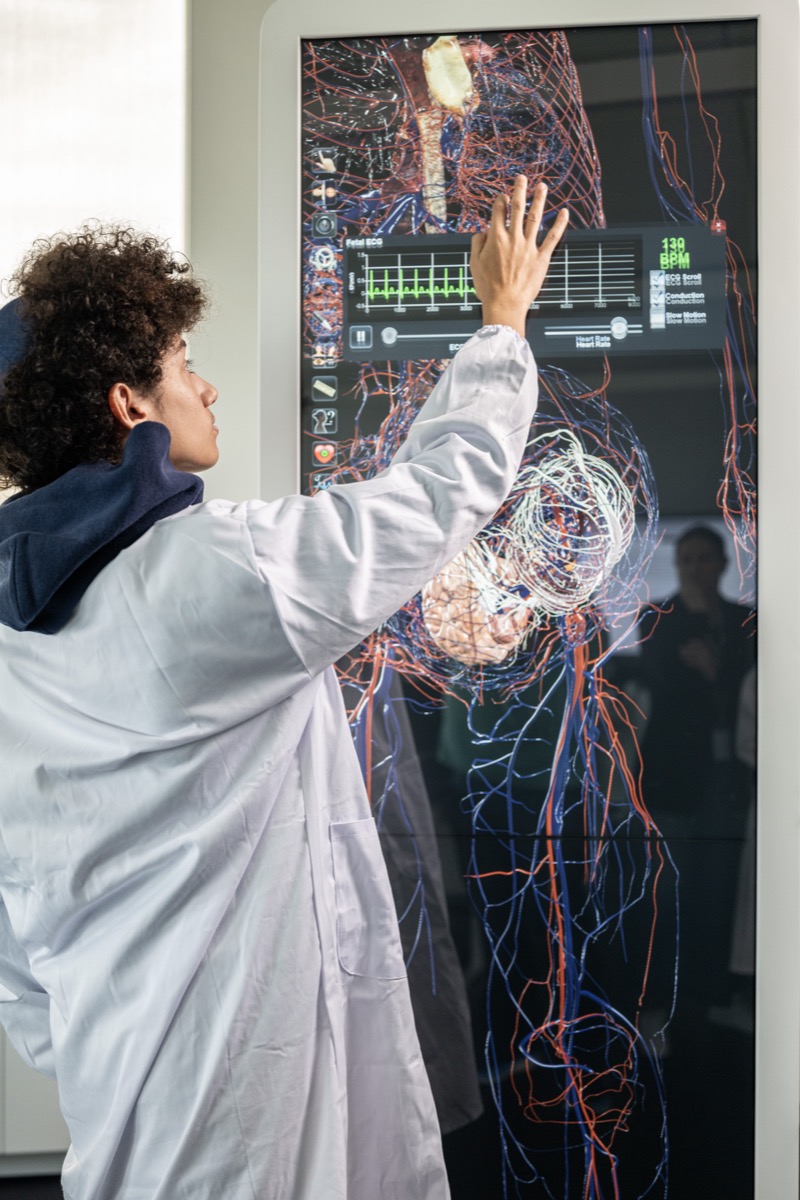
Students have access to university-level labs in biology, chemistry, and physics, providing hands-on experience that brings science learning to life.

Orchid Conservation Research Center: Students become real scientists as they grow, study, and protect rare orchids.

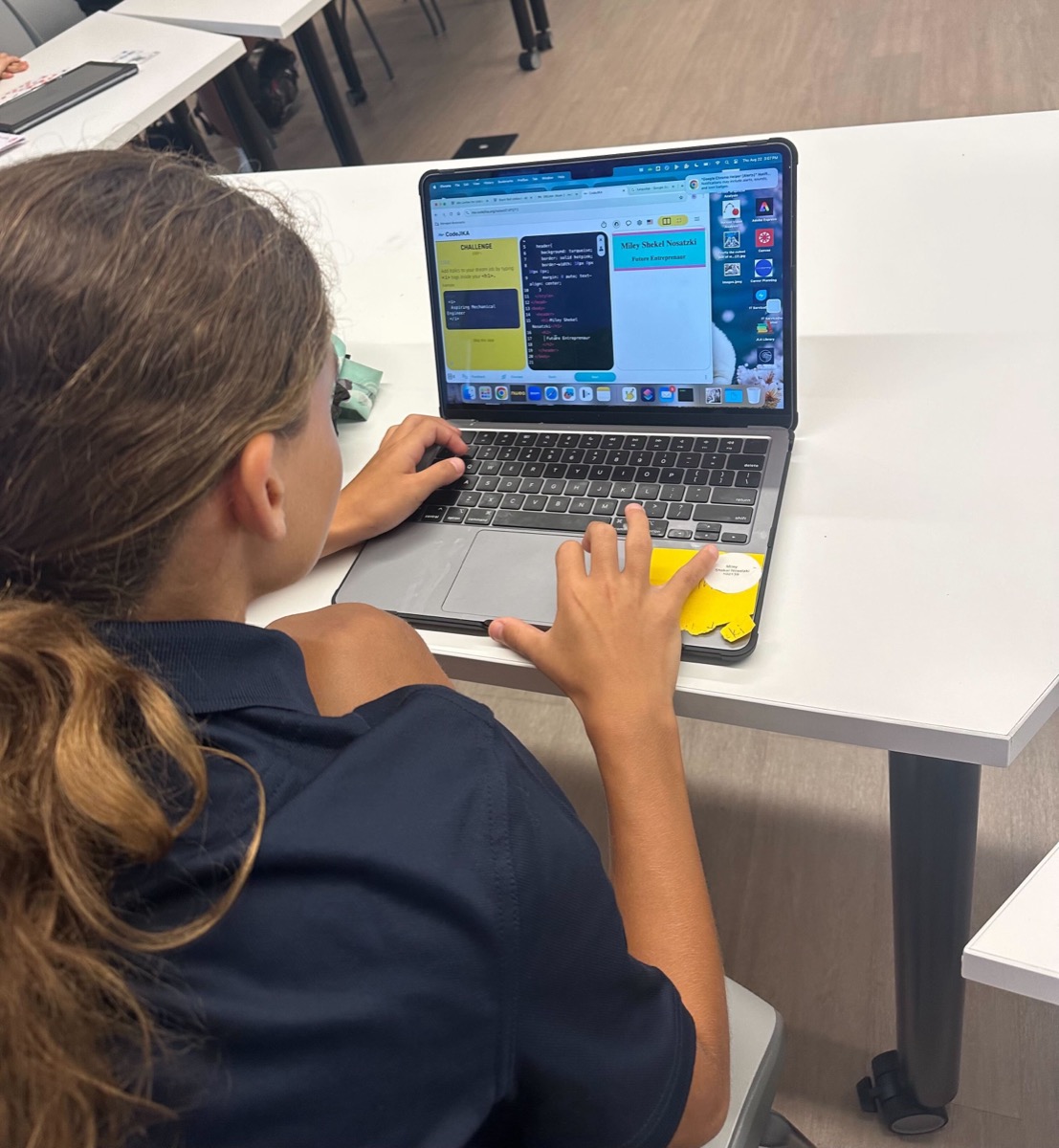
JLA’s computer science program includes honors and college-level courses, with hands-on coding, hackathons, and real-world projects.

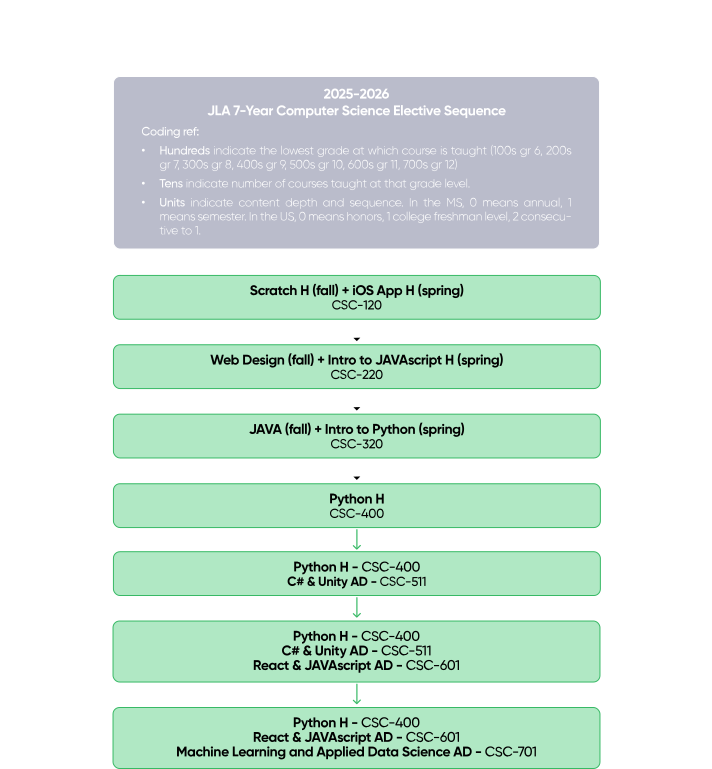
Our computer science scope and sequence can take a student from the basics of Scratch to the complexities of Machine Learning and beyond.

We hosted Dade Country's second ever K-12 Hackathon, which brought together private and public schools from across South Florida. Students competed to solve real-world challenges with their coding skills.

Every year, students dedicate time to building their own Capstone Projects, developing all sorts of useful programs.

Through an SEP curriculum focused on Design Thinking, 8th grade students integrate engineering with community service to develop products that solve a real world need

JLA placed fourth at the VEX East Coast CIJE Middle School Robotics Competition.

Explore our engineering program

JLA's Fabrication Lab is a cutting edge multi-disciplinary design studio, maker space, and engineering lab, where anything a student imagines can be brought to life.

Meet our Humanities Chair

Explore our history program

As part of our Star Summit America program 8th graders take a trip to Washington D.C., Capital Camps, and Pennsylvania.

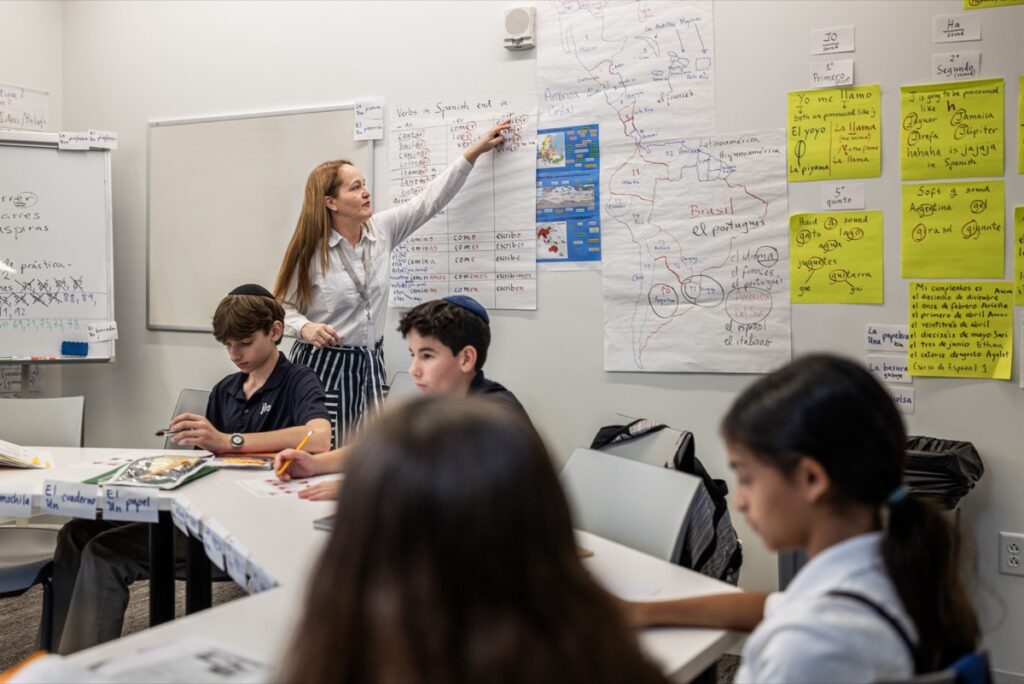
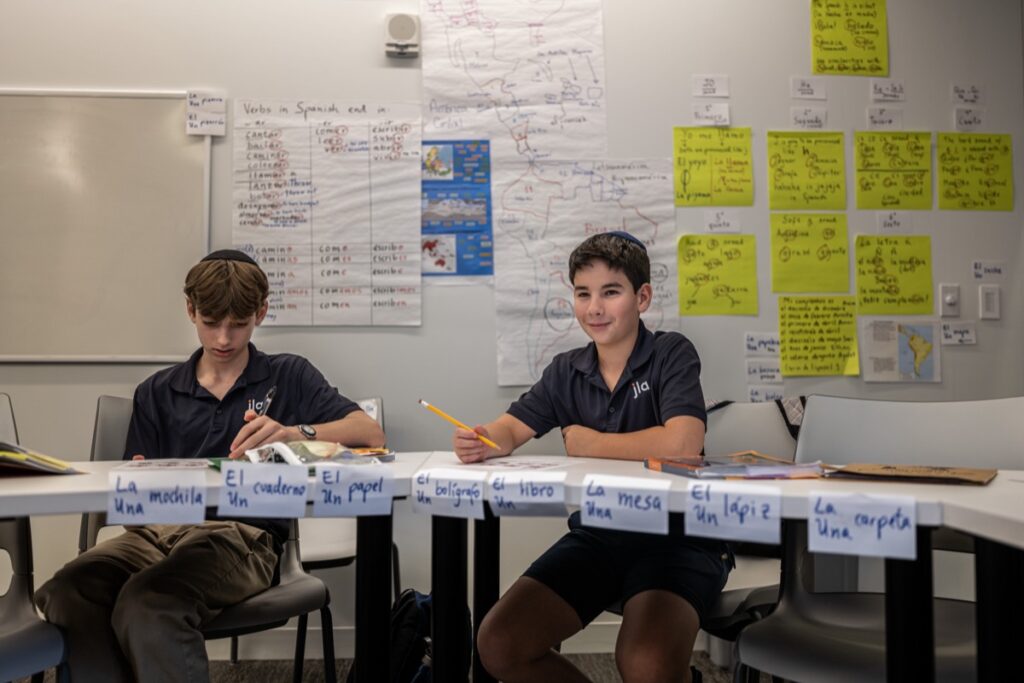
JLA’s Spanish program blends language learning with cultural exploration for a dynamic, immersive experience.

12th grade philosophy elective explores foundational philosophical concepts such as metaphysics, epistemology, ethics, political philosophy, and aesthetics.

Explore Morning Joe

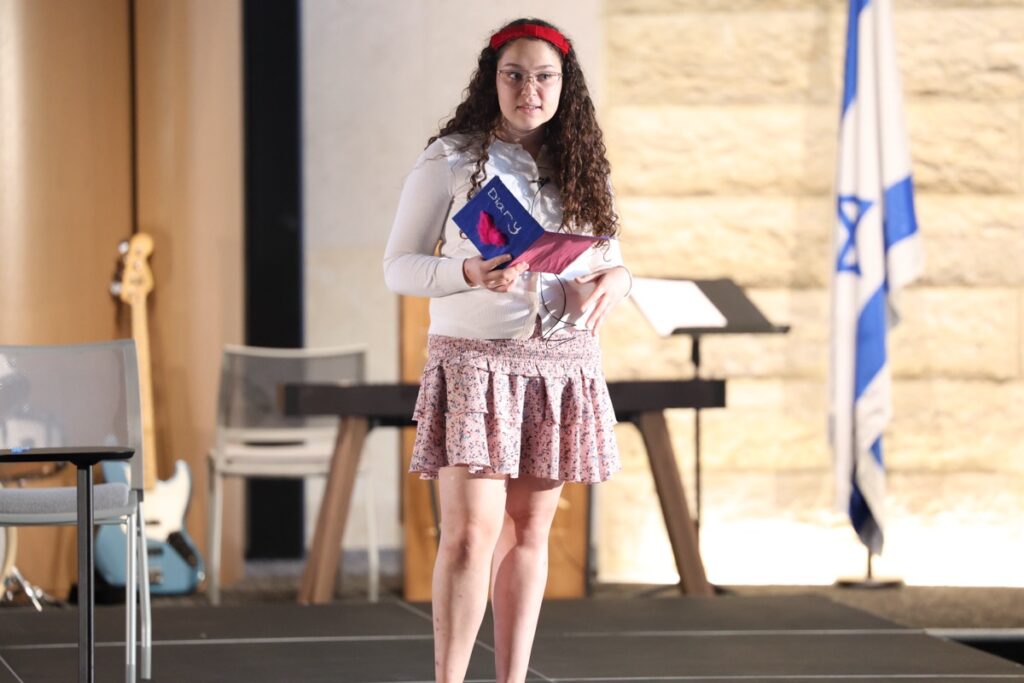
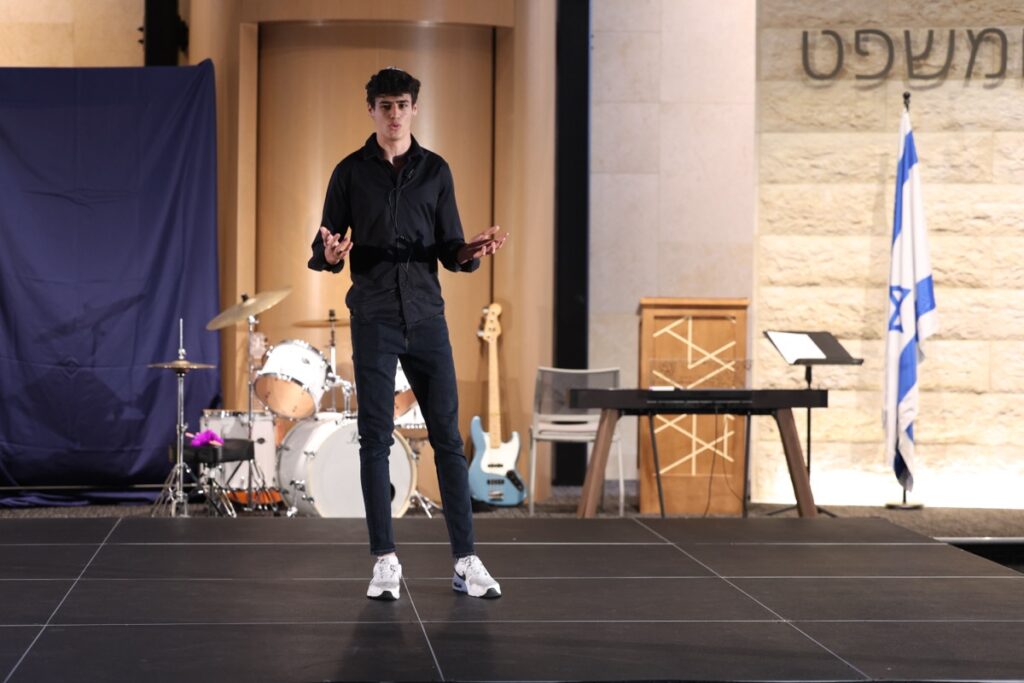
Open Mic Night turns the library into a lively café-style stage, where students share poetry, music, improv, and more.

Heroes and Heroines provides the foundation for students to become strong English students for the rest of their seven years at JLA.

The Literary Journal offers students the opportunity to express themselves through the creation of original articles, short stories, and poetry.


Newspaper is a middle school course that introduces students to the fundamentals of journalism, including news writing, interviewing, fact-checking, and layout design.

Our English program utilizes student-led Harkness discussions to cultivate independence of thought, textual analysis, and respect for diverse perspectives.

As part of their English curriculum, 9th grade students participated in a powerful interdisciplinary program called Poetry and Remembrance that blended history, art, and creative writing with Jewish history and identity.

We use theme-based learning to develop critical thinking, strong writing skills, and a deeper appreciation of both classical and contemporary literature.

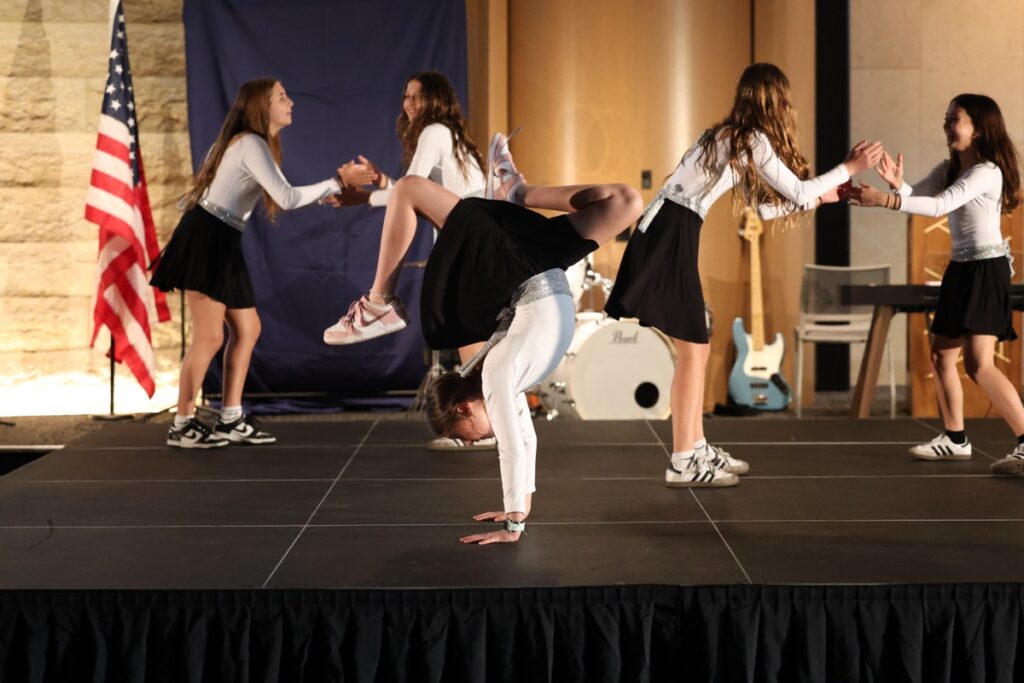
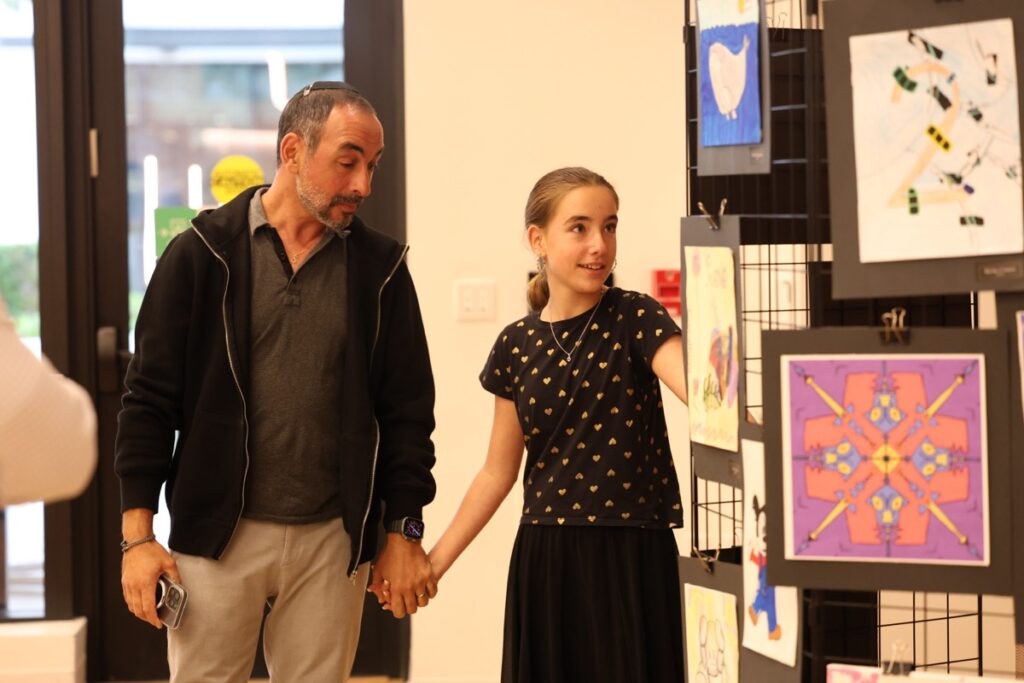
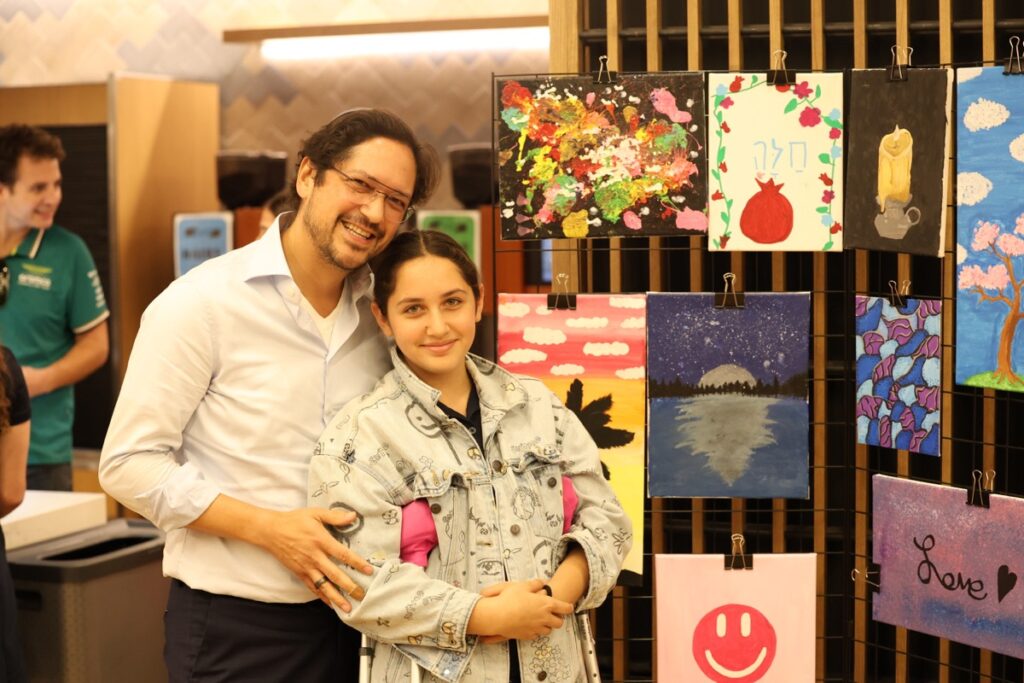
JLA’s Viva Arts Festival is a dynamic celebration of student creativity in music, film, dance, and visual arts.

JLA’s film program immerses students in digital filmmaking, from scriptwriting to cinematography and editing.

Our Night of the Arts is a dynamic celebration of student creativity in music, film, dance, and visual arts.

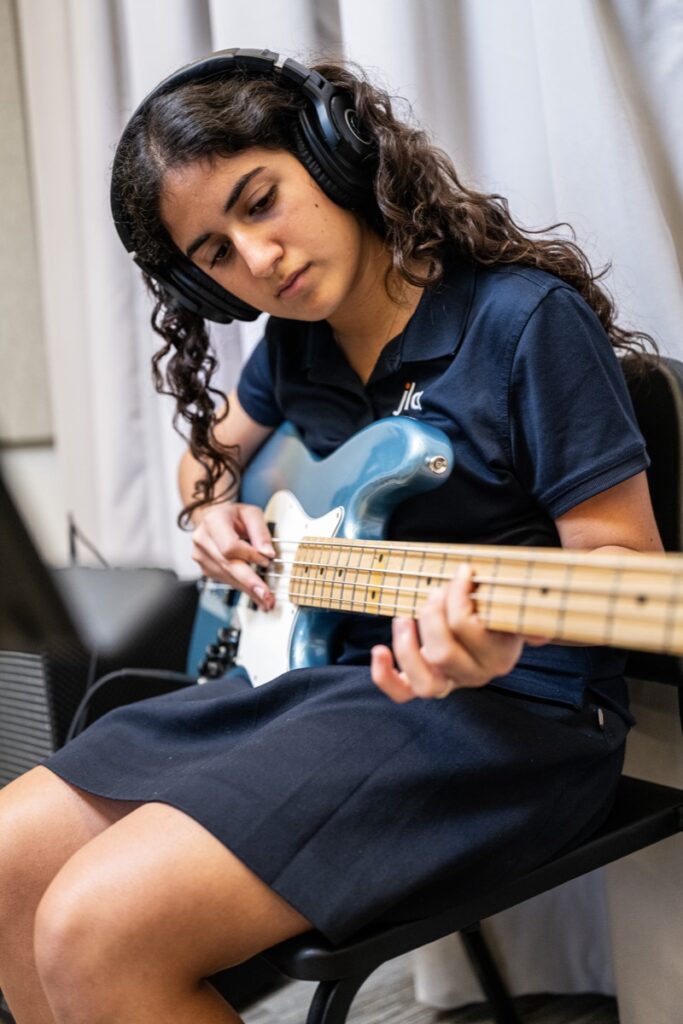
JLA’s high-tech music studio offers performance, recording, and digital music production for aspiring musicians.

With professional recording equipment and digital production tools, JLA’s state-of-the-art music studio brings student music to life.

JLA is proud to offer dance to students through several different channels. Students may opt to take dance, fitness, and yoga in lieu of their PC course.

An Immersive Holocaust Education Experience for 12th Grade

Students study and experience the weekly rhythm of Torah knowledge and Jewish Life.

Students become versed in and connected to current events, the weekly Torah portion, and holidays by being immersed in a wide range of learning styles and experiences.

Explore our Soul Center

JLA’s upper school students kick off each school year with a transformative month-long experience in Israel.

Meet our Associate Head of Judaics
Dr. Debbie Stone

JLA supports families in creating meaningful and inclusive Bar/Bat Mitzvah celebrations rooted in tradition and community.

JLA’s immersive Hebrew program builds confidence in understanding, speaking, reading, and writing Hebrew through daily exposure and experiential learning.

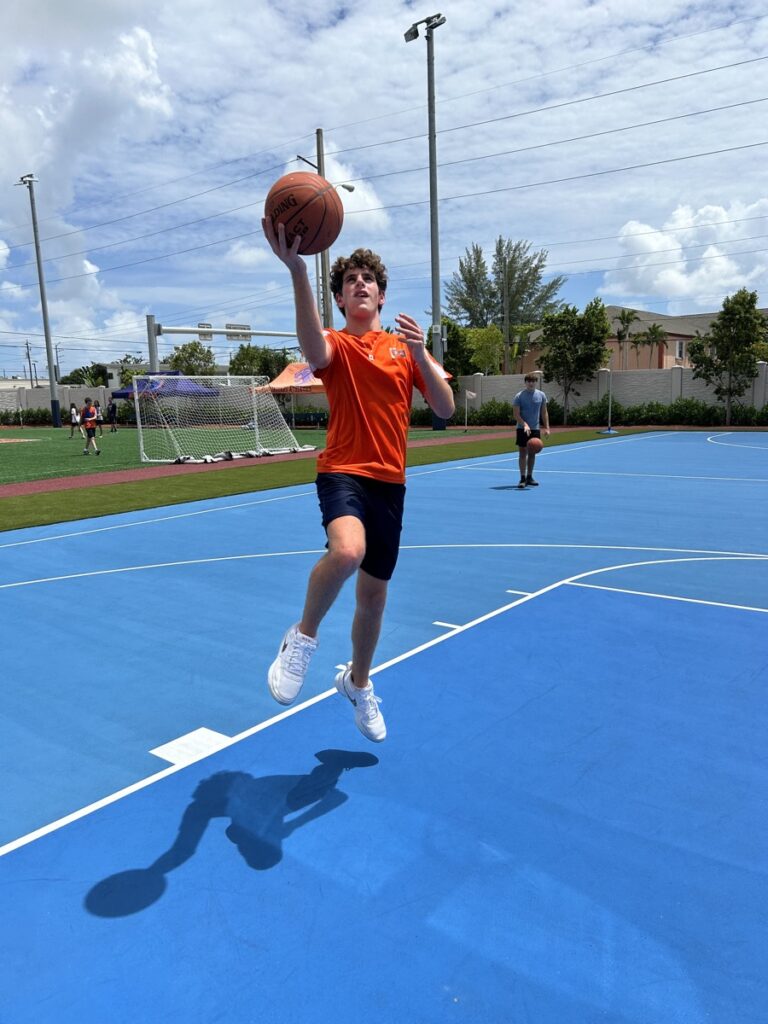
Mandatory Monday–Thursday fitness for grades 6–12 helps students build lifelong habits, grounded in our belief that a strong mind requires a strong body.

JLA students can take dance, fitness, or yoga in lieu of physical conditioning, or explore dance technique as an arts elective.

Students gain confidence in our fully equipped weight room, learning how to train safely and in ways that support their growth.

JLA’s physical conditioning program builds strength, coordination, and lifelong wellness through sports, training, and movement.

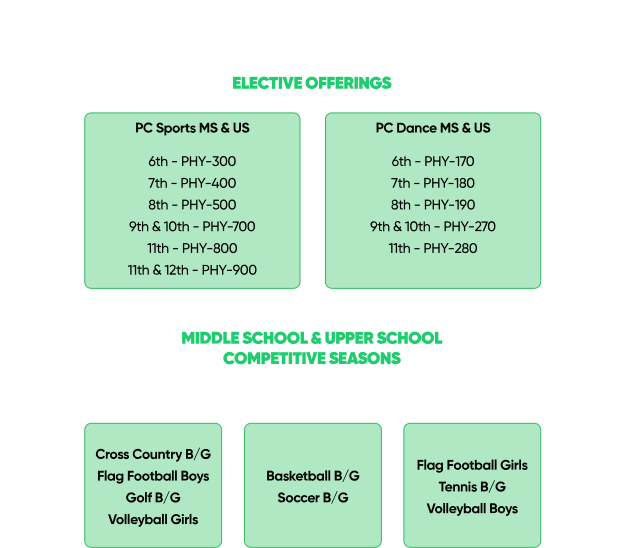
JLA fields Middle School and Upper School competitive boys' and girls' teams in basketball, cross country, golf, soccer, tennis, flag football, and volleyball.

JLA intramural sports are being offered during Option 9 and provide students with opportunities to engage in physical activity, foster teamwork, and develop lifelong skills in a fun and supportive setting.

JLA’s Spanish program blends language learning with cultural exploration for a dynamic, immersive experience.
Math Program Overview

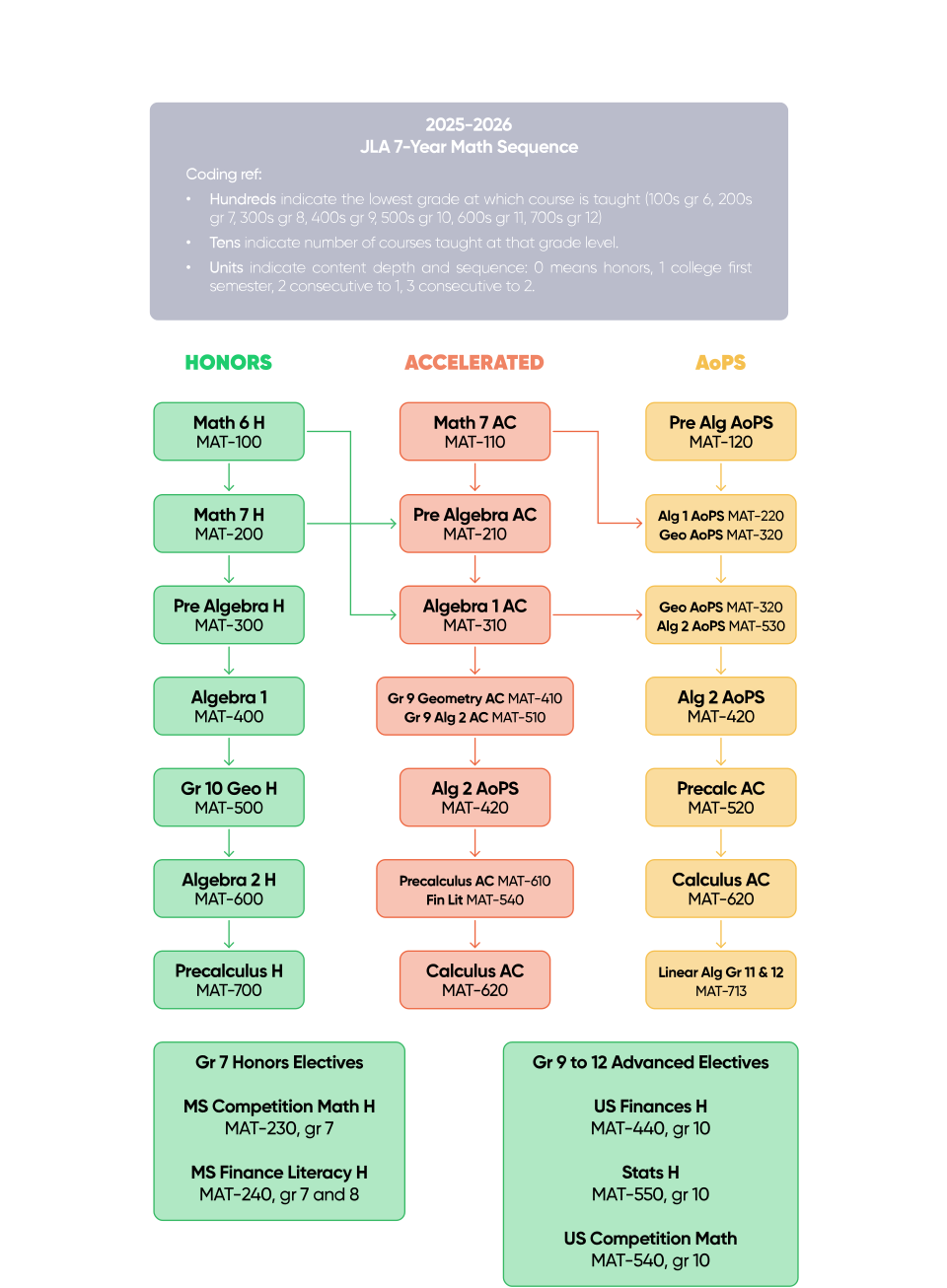
Our mathematics department offers three tracks.

Students with math skills at grade level are placed in honors classes. Students ahead of their grade-level cohort are assessed for placement in an accelerated path. Lastly, at JLA, we offer a unique competition track for the academically ambitious with a passion for mathematics, where students learn directly from the Art of Problem Solving material in class and are expected to participate in competitions.

Our seasoned faculty uses a project-based learning approach to encourage students in every track to think critically about applied and theoretical math concepts and collaboratively discuss them with peers at school and elsewhere. Students in the AoPS track also attend the math competition club to hone their skills further as they prepare for MATHCOUNTS, Math League, AMC 8, 10, and 12, Noetics, the American Invitational Mathematics Exam, the USA Mathematical Olympiad, and the Israel Center for Excellence through Education Mathematics Challenge. Our curriculum also offers non-competition electives, such as Finance, both for middle and upper school students, Statistics, and a sequence of college-level courses, including Calculus, Topics in Abstract Math, Number Theory, Probabilities, Linear Algebra, Trigonometry, and Multivariable Calculus.

Our math department also hosts the JLA Mini Mu competition for grades 3 to 10 students attending Miami public and private schools. Students who enjoy math and strategy are encouraged to participate in our Chess Club and compete against other East Coast schools.

AoPS

Mu Alpha Theta

In 2024, a remarkable 9% of our upper school students demonstrated their exceptional skills and dedication, qualifying for and being inducted into the prestigious National Math Honor Society, Mu Alpha Theta, chapter 5644. This is a testament to their hard work and our school’s high standards. 

The tenets of Mu Alpha Theta are to inspire a keen interest in mathematics, develop strong scholarship, and promote the enjoyment of mathematics.

To qualify for Mu Alpha Theta, candidates must be rising sophomores, juniors, and seniors, must maintain a minimum cumulative GPA of 90% in all core classes (English, History, Judaics, Math, and Science), must hold a GPA of 90% in mathematics, and should be identified as models of leadership and integrity.

All Mu Alpha Theta members must provide peer tutoring, participate in competitions, and help coordinate community involvement and events.

Our middle school students have also shown great promise and potential in mathematics. Their participation and award-winning performances in mathematics competitions clearly indicate their bright future in this discipline. Although middle school students do not qualify for Mu Alpha Theta induction, they are encouraged to provide peer tutoring under the guidance of their teachers.

Science Program Overview

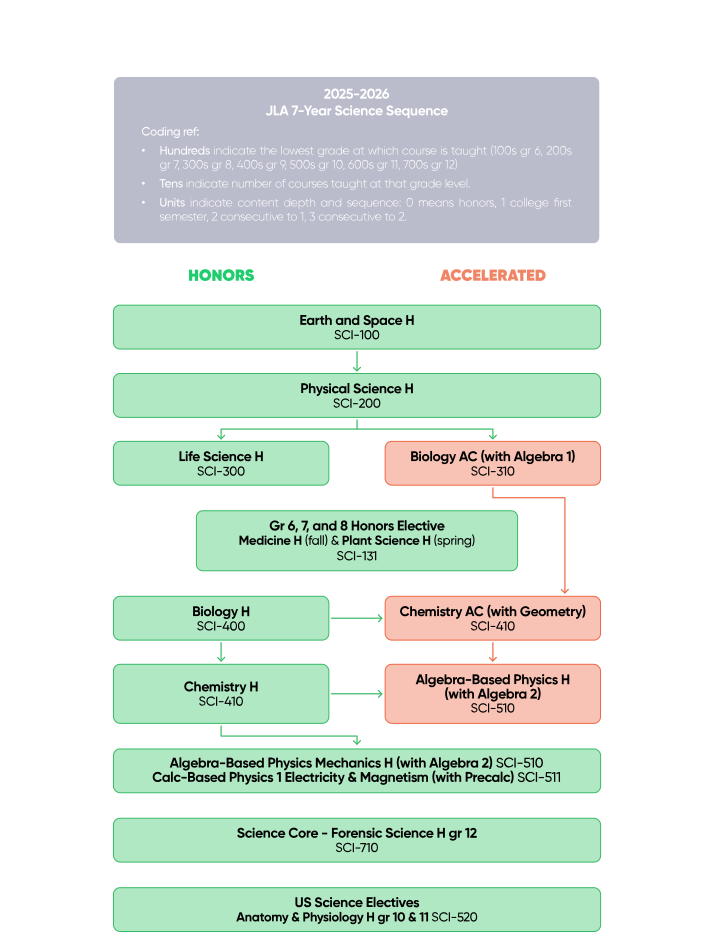
Our science department offers three tracks. Students with grade-level science skills are placed in honors classes (H). Students ahead of their grade-level cohort are assessed for placement in an accelerated path (AC). In the upper school, students may qualify for college-level courses (AD). 

Using an inquiry-based approach, our faculty fosters an atmosphere where students can think creatively and dare dive deep into open-ended experimentation, drawing on science and all academic areas. We aim to prepare our students to become professionals who seek meaningful solutions in a world where new technologies are developed and outgrown faster than ever. 

Twice in the 7-year science sequence, students can advance faster than their peers into the AC track. This accelerated sequence not only challenges academically strong students but also provides them with the opportunity to take additional college-level electives in life sciences – Genetics and Heredity, Microbiology, or our 2-year Research program – or in hard sciences – Geology, Astronomy, Inorganic or Organic Chemistry, Electricity and Magnetism, and Sound and Waves Physics. It’s an exciting journey for those who are ready to push their academic boundaries. 

Offering a wide range of honors electives, we also cater to students with diverse interests outside the sciences who still want to experience our laboratory facilities. In the middle school, students can choose from Botany, Health Science, and Medicine. In the upper school, the options expand to include Horticulture, Environmental Science, and Anatomy and Physiology, ensuring that there’s something for everyone. We value our student’s unique interests and want to provide a space for everyone to explore them. 

Students can choose certificate-seeking classes like Biotechnology AD to gain valuable nationally-recognized credentials. At the end of the school year, students in this program take the Biotechnician Assistant Credentialing Exam (BACE), enhancing their academic profile and preparing them for future opportunities in the bioscience industry. 

Our science department also hosts an annual Science Fair and Science Bee Competition for students in grades 5 to 12 attending Miami public and private schools. 

Students who enjoy science, engineering, and computer science are encouraged to participate in our Young Inventors and Research Program. This program, set in our university-level facilities and led by faculty with a peer-reviewed, proven background in research, is designed to inspire and challenge. It’s an opportunity to investigate solutions to real-world problems as we collaborate with universities, companies, and nonprofit agencies. We’re excited to see what our students can achieve as we join our efforts in the larger community. 

Science National Honor Society

In 2024, a remarkable 6% of our upper school students earned the prestigious honor of being inducted into the Science National Honor Society (SNHS), charter 74787243, through their exceptional skills and unwavering dedication. This achievement is a clear testament to their hard work and our school’s high standards. 

The tenets of SNHS are to participate in scientific and intellectual thought, advance the knowledge of classical and modern science, communicate with the scientific community, aid the civic community in comprehending science, and pursue scientific knowledge that benefits all mankind.

To be eligible for the SNHS, students must meet specific criteria. They must be rising sophomores, juniors, or seniors, maintain a minimum cumulative GPA of 90% in all core classes – English, History, Judaics, Math, and Science – hold a GPA of 90% in core science courses, and demonstrate leadership and integrity.

All Science NHS members must provide peer tutoring and are encouraged to participate in competitions, help coordinate community involvement and events, attend symposia or summer programs, work or intern at research institutions, or submit articles for publication through our Young Inventors and Research Program.

Our middle school students, particularly those in the top 10 percentile, have shown great promise and potential in science. We anticipate their participation in our Science Fair and Science Bee. Although middle school students do not qualify for Science NHS induction, they are encouraged to provide peer tutoring under the guidance of their teachers.

Garden and Habi Center

At the Jewish Leadership Academy, our JLA Garden and Habi Center offer students a unique and immersive learning experience. With 10 raised garden beds filled with herbs, flowers, vegetables, and a special garden dedicated to the native plants of Israel, our students explore the wonders of nature right on campus. The garden is also a thriving habitat for pollinators, including bats, birds, butterflies, and bees. Our on-site beehive, buzzing with an active colony, not only helps pollinate our plants, but also produces our very own JLA honey. A digital bird camera captures the daily activity of our feathered visitors, adding another layer of connection to the natural world.
Two tortoises will join our growing animal menagerie, further enhancing the hands-on learning opportunities available to our students. Whether through tending the garden during science classes or participating in the botany/garden club, students are encouraged to spend some time of their day in nature, fostering a deeper appreciation for the environment and its inhabitants.

University Level Labs

Claudia Ochatt
B.S., M.B.A., M.S., Ph.D.

Dr. Ochatt holds a PhD in Biological Chemistry from the University of Buenos Aires, an MBA from the University of Miami, and a Masters of Education in Leadership from the University of West Florida. She conducted her postdoctoral work on cell and molecular biology at The Rockefeller University, and post-graduate research at the National Cancer Institute in Bethesda, and at the Woods Hole Marine Biological Laboratories.

Dr. Ochatt served as the MD/PhD Program Coordinator at the University of Miami’s Miller School of Medicine before leaving to become the STEM Chair at MAST Academy. In 2011, Claudia was the recipient of Beckman Coulter’s Science Educator of the Year Award and in 2021 she was named Florida’s Biology Teacher of the Year by the National Association of Biology Teachers. 

Prior to joining JLA, Dr. Ochatt  taught AP Biology, Honors and Forensic Chemistry, and Anatomy and Physiology at Ransom Everglades.

Computer Science Program Overview

Our computer science program offers two tracks: honors and college-level courses.

Computer science faculty use various methods to imbue computational logic, including block visuals, iteration debugging in group work, and creating exciting options where students can explore applications with real-world relevance. Whether it is a fun game or a solution to a problem, our students are always working on projects that have practical applications. Above all, collaborating and sharing help develop coding skills and, most importantly, a growth mindset. We believe in providing opportunities for growth and learning that inspire and motivate our students.
Middle school students are offered block coding programming through courses on Scratch and iOS App Inventor, both maintained by MIT Media Lab. These languages use drag-and-drop blocks that represent text-based code. Each block performs a different task, allowing students to combine blocks to create animations and games. These block languages enable students to think computationally as they design and create their own mobile apps.

As students progress and acquire computational logic skills, they transition to an introduction to JAVA or Python programming.

At the upper school level, students gain access to several language honor electives, including Python, C#, R, and MatLab, which are widely used in various industries. In those classes, students are expected to participate in hackathons. Students who have acquired programming proficiency are encouraged to pursue college-level Data Science & Algorithms and Machine Learning AD courses in their junior and senior years.

We also host an Annual Hackathon for students in grades 6 to 12 attending Miami public and private schools. We are proud of our students who participated in the 2024 CIJE hackathon, earning first place in the Florida league.

Students who enjoy computer science are encouraged to participate in our Young Inventors and Research Program. This program, set in our university-level facilities and led by faculty with a peer-reviewed, proven background in research, engineering, and coding, is designed to inspire and challenge. It’s an opportunity to investigate solutions to real-world problems as we collaborate with universities, companies, and nonprofit agencies. We’re excited to see what our students can achieve as we join our efforts in the larger community.

Student coding and at Hackathons

History Courses and Department Goals

The History Department at JLA is proud to feature an array of courses that are designed to be exciting for students while at the same time providing foundational content and skills.

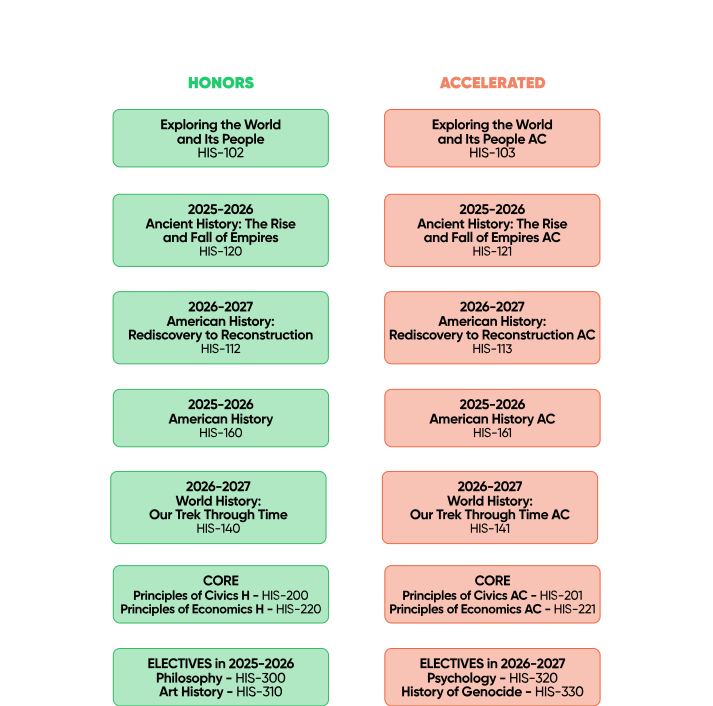
In sixth grade, students take Geography and will learn about countries, cultures, and religions across the globe.

In both 7th and 10th grades, students take American History. The 7th grade course will provide students with a more in-depth study of the first half of American history and will focus on engaging projects as well as building strong writing and critical thinking skills. The tenth grade covers a wider chronological scope of American history but similarly focuses on strong writing and thinking skills.

Eighth graders will study ancient civilizations which will lead them into their study of modern world history in the ninth grade when students will explore our increasingly globalized world, starting with the history of the Mongols, and culminating with modern society.

By junior year, the students will be well-primed from American history to tackle civics and economics. By senior year, they will be free to select a history elective which might include philosophy or art history among others.

The goals of our history department are to train students to ask meaningful questions, to connect the dots between events, to analyze sources, to make informed inferences based on a text, to consider alternate perspectives, and to understand the limits of our own knowledge.

Social Studies Teachers Fun Facts

David

David

David won 2 Telly awards for a documentary he produced and edited: "Presidio: The Trip Back" which is about political prisoners in Cuba.

Laura

Laura

Laura is a published writer and has a website!

Mikel

Mikel

Mikel played live and in studio for many bands since I was 14. I was able to open shows for bands like: Simple Plan, Aerosmith and The Ataris.

Jocelyn

Jocelyn

Jocelyn co-choreographed and performed a short dance film that was selected and screened at several film festivals nationally and internationally.

Jackeline

Jackeline

Jackeline used to teach English literature in Venezuela before becoming a Spanish teacher in the US.

Thomas

Thomas

Thomas specializes in ancient history and spends his summers going on archaeological digs in Greece, Rome, and Turkey.

Patrick

Patrick

Patrick roasts his own coffee.

Elsa

Elsa

Elsa is a lawyer!

Judd

Judd

Need fun fact.

Open Mic Night

Every year, students from both the middle and upper schools gather in the library to celebrate each other’s writing and talents. Students share work they have written for English and History classes, ranging from children’s books to original poetry. Some show off their stand-up comedy skills, while others put on improvisational skits and plays. The team of students who organize the event does a fantastic job making the library feel like a Parisian cafe under the stars with twinkle lights, a stage, comfortable chairs, and food for all to enjoy. The event is a big hit, and we look forward to organizing the Open Mic Night every year!

Heroes and Heroines

Heroes and Heroines provides the foundation for students to become strong English students for the rest of their seven years at JLA. Students read a variety of texts that examine the theme, starting with mythology and epic poetry, and then continue into other genres and more contemporary novels. Much attention is paid to heroes, villains, and ordinary people overcoming seemingly insurmountable obstacles. Students examine the difference between good and evil and explore the extent to which ordinary people can be heroes. Ultimately, though, the goal of the course is to focus on helping students become critical readers, writers, and thinkers. It provides the essential skills of grammar, vocabulary, annotating, and writing as a way of thinking and self-expression. The writing projects they do in this course are a variety of modes ranging from creative, personal, and analytical.

Pedagogy in the English Dept

The English department relies on several pedagogical practices to transform our students into sophisticated yet clear writers, creative and sharp thinkers, and empathetic human beings. One of our key pedagogies is a discussion practice known as Harkness. In this model, the students, rather than the teacher, lead the conversation in a democratic way where everyone has a voice and an equal seat at the table. The teachers are always amazed by how mature, polished, and confident students become when leading their own Harkness discussions. 

Writing is also a key component of the English curriculum. At JLA, we strive to balance analytical writing with creative, personal, and poetic writing so that students have exposure to all forms of communication. We hope that they come to value writing as a means of self-expression and connecting with others. Throughout their years at JLA, students might write an original myth or fairy tale in the sixth grade, personal vignettes in the seventh grade, persuasive speeches in the eighth grade, personal essays and creative stories in the ninth grade, among others. Moreover, we are always working on academic and analytical writing throughout all seven years. 

Lastly, we hope to weave in creative projects into the curriculum that ask students to tackle real-world problems and make their learning feel both fun and relevant. After reading The Giver, they might create their own utopian society as well as a creative rendering of it, along with a written piece explaining how their ideal world would work. We hope that these projects will prepare them to tackle the complex challenges of the world they will inhabit as young adults. 

Theme-Based Courses

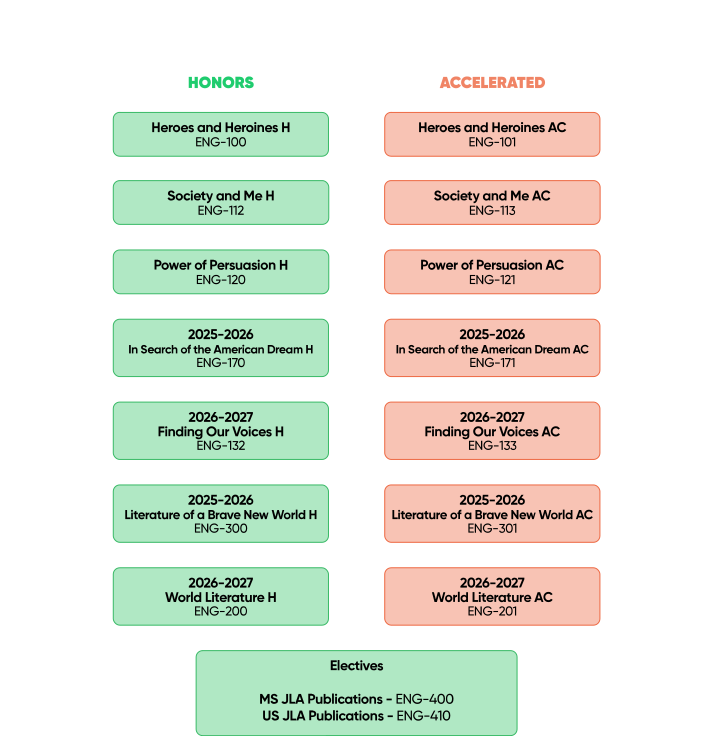
The English offerings at JLA consist of theme-based courses that enable students to dive deeply into one or two big ideas per year, looking at the theme through multiple perspectives and through literary multiple genres over a broad range of time.

Sixth grade’s course is called “Heroes and Heroines;” the year begins with a study of Greek and world mythology and dovetails into an illustrated version of The Odyssey before looking at various heroes in more contemporary stories. By the end of the year, they will have seen multiple definitions of a hero and will come up with their own definitions and examples of one. 

Seventh grade English is titled “Society and Me,” and will ask students to grapple with questions such as “what is a good and fair society?” and “how do we build a society that is inclusive of different groups of people?” 

In eighth grade English, “Power of Persuasion,” students will read Animal Farm and other classics that will tackle questions of power, justice, and equality. They will also write persuasive speeches on a topic of their choice. 
Ninth grade English is one of our cornerstone classes, titled “Finding Our Voices,” which places heavy emphasis on personal and creative writing while focusing on the theme of coming of age.
The tenth graders will study American literature in conjunction with their history course. They will devote a significant amount of time to the study of Transcendentalism in addition to reading American classics. 
In eleventh grade, students take World Literature which will be organized into theme-based units such as “man’s search for identity and belonging,” “man’s search for love,” “man’s search for meaning,” and “man’s quest for power.” 

Throughout the seven-year continuum, students are always working on the key skills of critical thinking, clear and sophisticated writing, strong mechanics of vocabulary and grammar, speaking and presentation skills, and having empathy for other people and perspectives. 

Viva Arts Festival

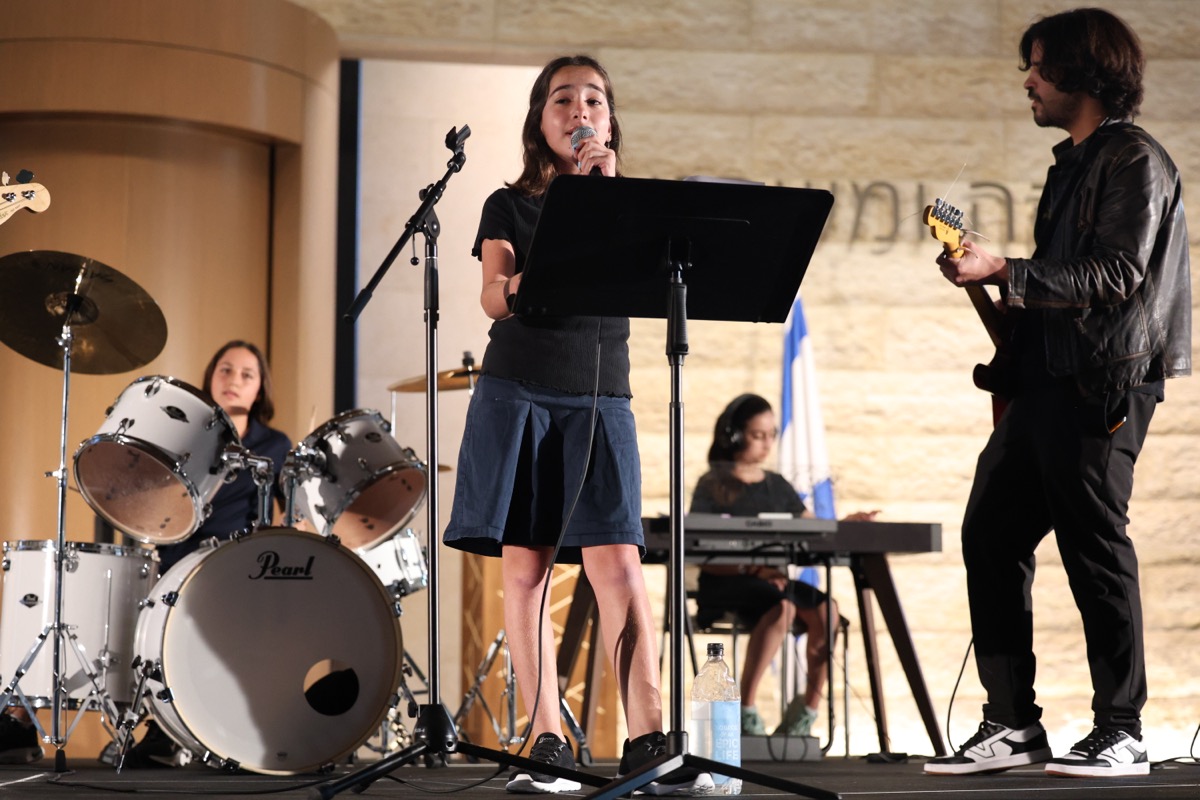
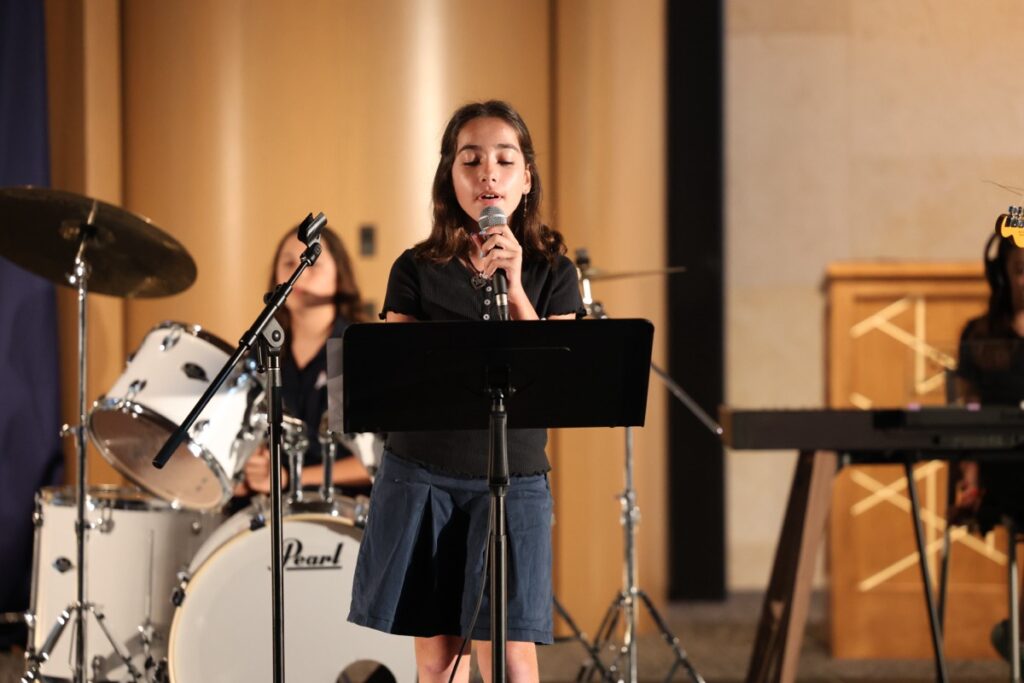
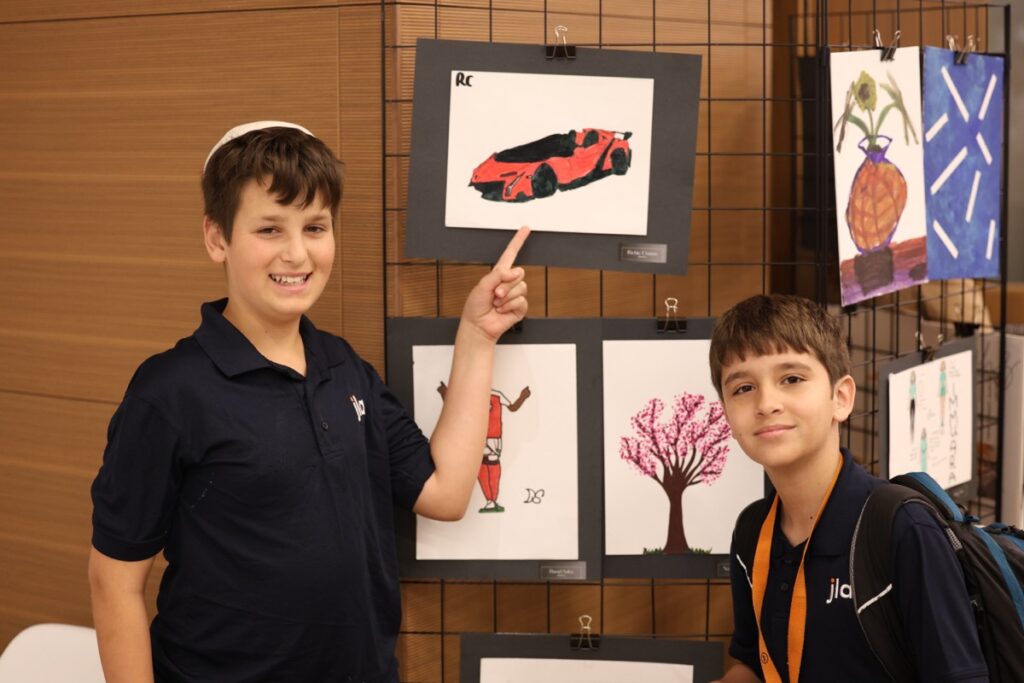
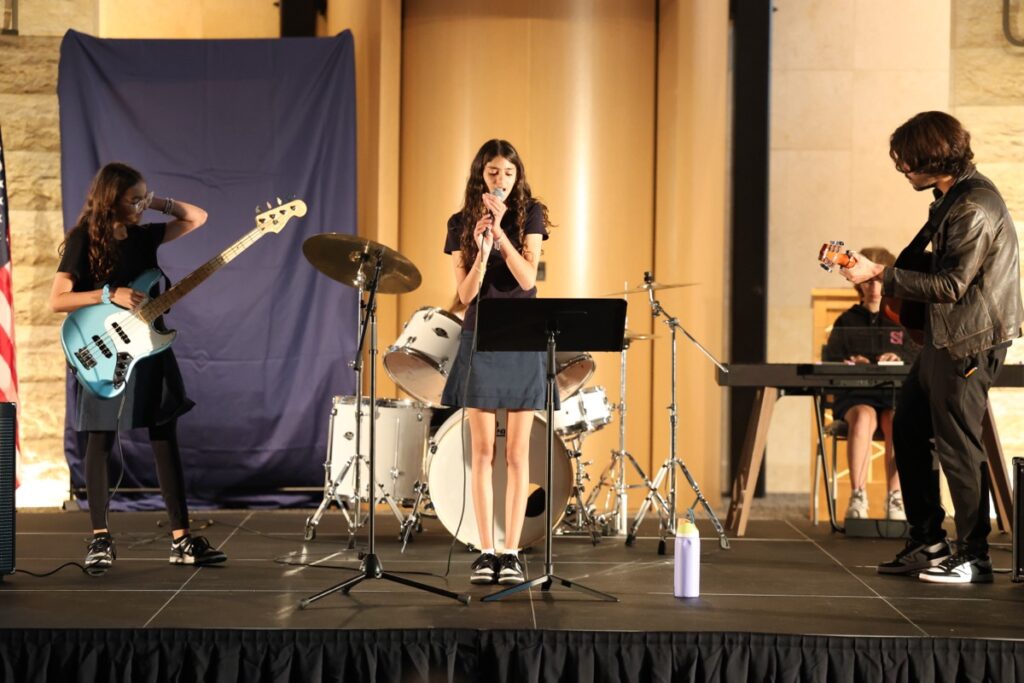
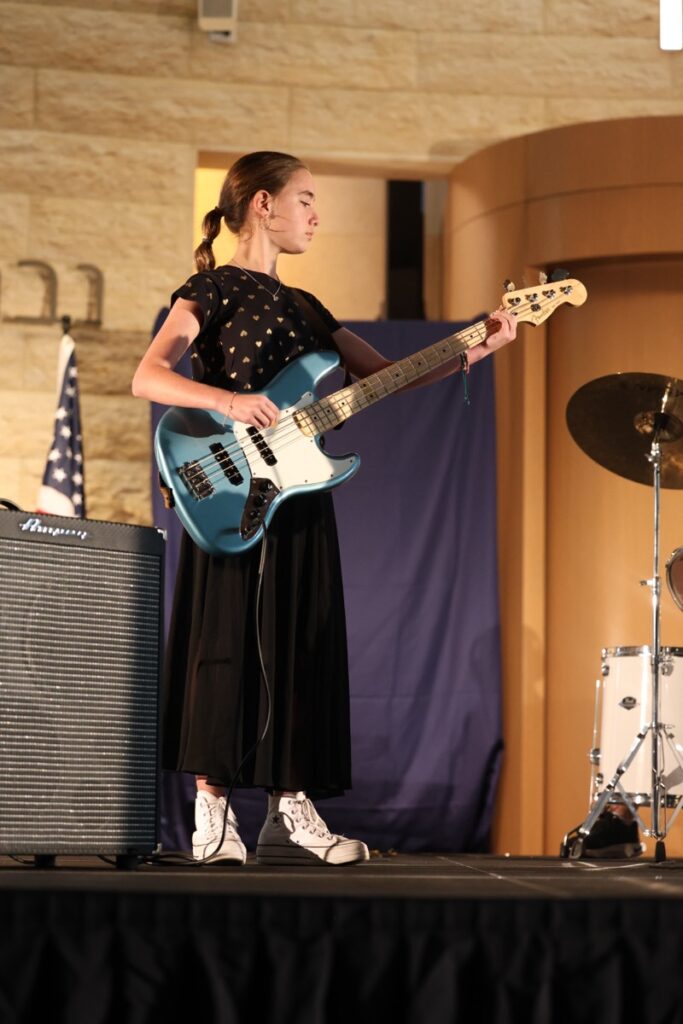
On the last day of classes in May 2024, students enjoyed a celebration of the arts. The music students performed rock songs while kids and parents alike roamed the displays of the artwork in the Beit Midrash. Simultaneously, there were showings of film, digital music, and dance projects on the screens at the back of the auditorium. Students enjoyed an ice cream truck and got to sign yearbooks as well. We look forward to this event becoming a regular celebration of the arts at the end of the year! 

Film Program and CAC

At JLA, students have the exciting opportunity to learn how to produce their own films. Through the course, they acquire a basic understanding of digital film production including technical, creative, professional, and historical aspects. With an amalgam of basic and industry-standard production equipment, students will be immersed in creating narrative films from inception to completion. They will become aware of the varied, “real world” processes included in the three main aspects of a film: Pre-Production, Production, and Post-Production. Students will leave this class with a basic understanding of beginning film aesthetics, video camera operations, cinematography, editing, narrative writing, how to call a shot, and life on a set.

Want to be an integral part of special events happening around school?  Join CAC (the Cinematic Arts Commission)!  Learn how to set up and operate much of the technology around the school used to amplify sound and video for special events.  What is an XLR cable?  What is a potentiometer? How do you run an audio board?  Learn these things and become one of the few in the entire school who can manage sound for an event.

Fun Facts

David:

Well, I won 2 Telly awards for a documentary I produced and edited: “Presidio: The Trip Back” which is about political prisoners in Cuba; 

I also worked on what was arguably the first digital, high definition feature film ever: “In Plain Sight” which released on Netflix in 2004.  It is on IMDB if you look hard enough…so am I, for that matter…

Laura

Laura is a published writer and has a website! 

Mikel 

I’ve played live and in studio for many bands since I was 14. I was able to open shows for bands like: Simple Plan, Aerosmith and The Ataris.

Darcy

Darcy co-wrote and co-starred in a two-woman (and a service dog) show called Ability to Love. It was presented twice in scholarly formats; first at Nova Southeastern University and second, at the North American Drama Therapy Conference in New York. Her co-star/writing partner/best friend was also her Maid of Honor!

Jocelyn

I co-choreographed and performed a short dance film that was selected and screened at several film festivals nationally and internationally. 

Jackeline

Jackeline used to teach English literature in Venezuela before becoming a Spanish teacher in the US. 

Thomas Hendrickson 

  • Has a PhD in educational leadership and curriculum development (?) 
  • Specializes in ancient history and spends his summers going on archaeological digs in Greece, Rome, and Turkey 

Melissa Sarmiento
– Spent 4 years teaching English in Japan 

Patrick Jackson 

  • Roasts his own coffee
  • Has written a history book! 

Elsa Pratt 

  • is a lawyer! 

Judd Shapiro: 

Music Program Overview

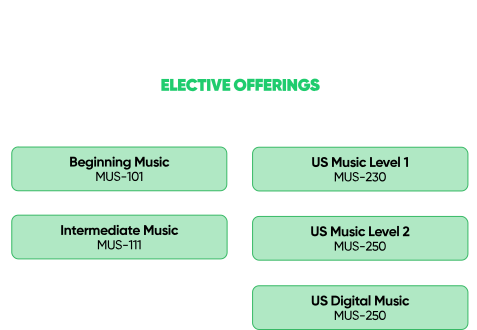
The Music Program at JLA focuses on musical collaboration and digitization.  Under the guidance of our multi-talented music teacher, students learn the basics of acoustic and electric instruments of their choosing and then are immediately placed into “bands” to experience the joy – and challenge – of creating music in a group setting.  JLA also has two audio engineers on staff and a state-of-the-art professional recording studio in which students are taught to capture live music, digitize, synthesize, and edit it, in order to share it with the world.

Dance

JLA is proud to offer dance to students through several different channels. Students may opt to take dance, fitness, and yoga in lieu of their PC course. Or they may elect to take dance technique as an arts elective which will cover more of the artistic and stylistic elements of dance as an art form. Additionally, student may elect to sign up to be part of the dance ensemble as an Option 9 class that meets twice a week after school.

JLA ba'aretz

We take a different approach to Judaics.

By offering student choice in their course selection and by providing texts in translation to those who need it, our unique Judaic Studies curriculum focuses on high level text-based study while maintaining accessibility for everyone, regardless of background.

In our Hebrew Language program students concentrate on spoken language, rather than reading and writing, in order to build their capacity to communicate effectively in Hebrew by the time they graduate.

Jewish life on campus begins every morning with Tefillah in which students have the choice of an Ashekanzi minyan, a Sephardi minyan, or an explanatory minyan for those who are just beginning. And every Friday the Jewish calendar comes to life as students gather for an immersive experience in our Soul Center program by diving deeply into the weekly parsha, an upcoming holiday, or a day of commemoration. Jewish life at JLA also extends to our families as they are often welcomed onto campus for holiday celebrations, adult education, and inspiring Israel-focused programs. rograms.

Hebrew

Physical Conditioning Program Overview

The Middle School Physical Conditioning course is designed to address the physical developmental stage of the tween students. This course focuses on a balance between playing sports such as soccer, basketball, volleyball, flag football, and tennis of soccer and flag football, and preparing the body and mind for physical activities. The course enables students to fully enjoy sports and a healthy lifestyle through experiencing multiple training activities, learning various techniques, and practicing skills to optimize their performance while developing life-long habits. Students learn stretching exercises including yoga poses, strength and conditioning activities focusing on coordination, balance, and cardiovascular improvement, weight training safety and mechanics, cross-training exercises, benefits of proper nutrition, and mental health self-care. Activities also include self-defense lessons, martial arts practice, and ninja course training.

The Upper School Physical Conditioning course is designed to address the physical maturation of the students from early teen to late teen years. This course focuses on a balance between playing sports such as soccer, basketball, volleyball, flag football, and tennis of soccer and flag football, and preparing the body and mind for physical activities. The course enables students to fully enjoy sports and a healthy lifestyle through experiencing multiple training activities, learning various techniques, and practicing skills to optimize their performance while developing life-long habits. Students learn stretching exercises including yoga poses, strength and conditioning activities focusing on coordination, balance, and cardiovascular improvement, weight training safety and mechanics, cross-training exercises, benefits of proper nutrition, and mental health self-care. Activities also include self-defense lessons, martial arts practice, and ninja course training.

Dance, Fitness, Yoga

The Dance, Fitness, Yoga Physical Conditioning class has a primary focus on dance supplemented with disciplines in fitness and yoga. The course design enables students to fully enjoy dance through experiencing multiple training activities and learning techniques and skills to optimize their performance while developing life-long habits. Students learn stretching exercises including yoga poses, strength and conditioning activities focusing on coordination, balance and cardiovascular improvement, weight training safety and mechanics, cross-training exercises, benefits of proper nutrition, and mental health self-care.

Learning Spanish Through Singing and Culture

Language and culture are two sides of the same coin. That’s why we take the students through a fun and conversational approach to learning Spanish. First, we lift our spirits and set the mood for a fun and successful week by singing a song related to our lessons’ content. Then, we’ll explore the culture of Spanish-speaking communities ranging from Spain to Latin America, and even our own here in the United States. From geography and landmarks to art, sports, food, and beyond–our lessons will reveal the ways in which what we say connects to how we live.

Jocelyn Perez
B.A., M.A

Dance Teacher

Jperez@jlamiami.org

A native of South Florida, Ms. Jocelyn Perez, brings her talents as a movement artist, educator, and choreographer to JLA and joins our team as our Instructor of Dance. 

Jocelyn’s journey in the world of dance began with a BFA in Dance Performance from the University of South Florida, followed by an MFA in Dance from Florida State University. Her pursuit of excellence led her to training and performing in Paris, where she developed a love for travel. 

Ms. Perez joins JLA from Illinois State University where she served as an Assistant Professor of Dance, after having served as an Instructor of Dance at Florida State University as well as Indian River State College.  Ms. Perez has also worked extensively with younger students in her role as an instructor, choreographer, and director at Broadway Kids Studio in Davie.  In addition to her teaching, Ms. Perez is an active artist, having performed in, choreographed, and / or assisted in production of almost forty productions since 2010, ranging from Concert Dance and Dance Film to Musical Theater.   Additionally, she has conducted master classes and workshops at Florida International University, Florida State University’s School of Dance Summer Dance Intensive, and the American College Dance Association Regional Conferences. She has also shared her choreographic talents as a guest choreographer at Missouri State University and Mount St. Joseph University.  She is now excited to bring those talents and her passion for dance to our emerging artists at JLA.

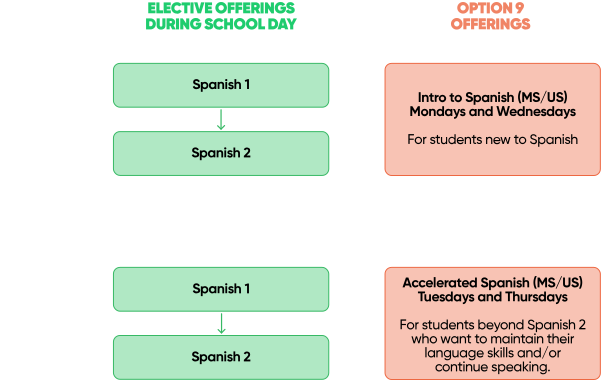
Spanish Elective Flow

Engineering Program Overview

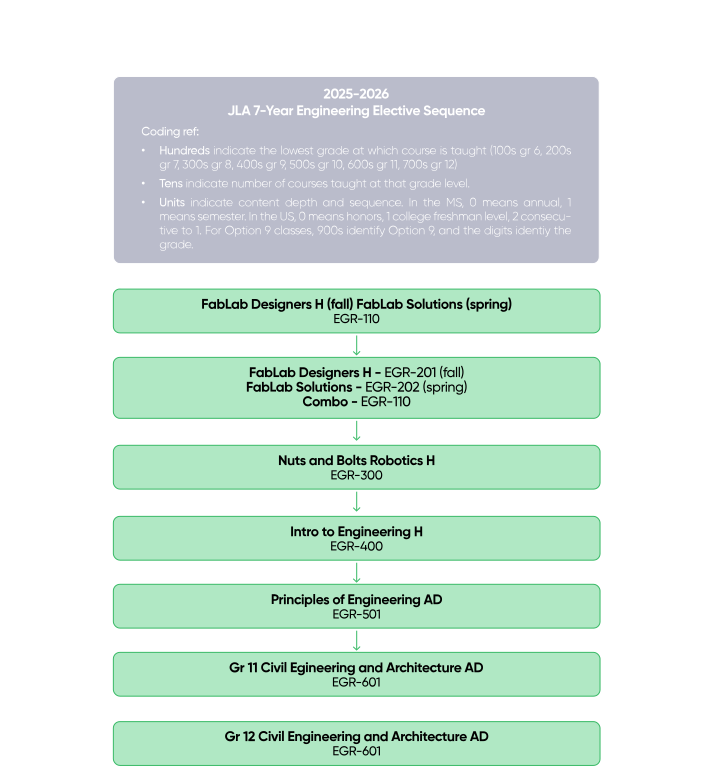
Our engineering fabrication lab provides classes for middle and upper school students, with two state-of-the-art rooms. The clean side is reserved for programming and doing electronics. The dirty side features 3D printers, a CNC mill, a laser cutter, wood shapers, belt sanders, pneumatic machines, milling machines, and a variety of precision measurement tools.

The engineering curriculum follows the Project Lead the Way schedule with a middle school sequence for students to learn how to design and then apply the engineering system to solutions. The upper school sequence allows students to take college-level courses from basic engineering principles to civil and environmental engineering.

Robotics students participate in the CIJE League and have proudly placed in the VEX New York finals for the last two years.

The FabLab is also a center of support for our Service Entrepreneurship Program and is open for collaborations with local organizations.

Capstone Projects

Every year, students dedicate time to building their own Capstone Projects, developing all sorts of useful programs. They code things from fully functional apps and video games to dynamic websites. These projects showcase their accumulated learning, creativity, and programming skills, giving them the opportunity to create practical solutions and demonstrate just how much they’ve grown throughout the program.

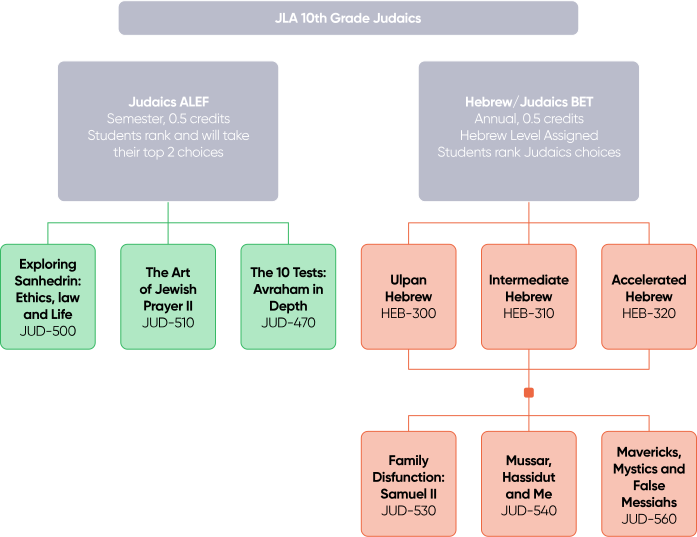
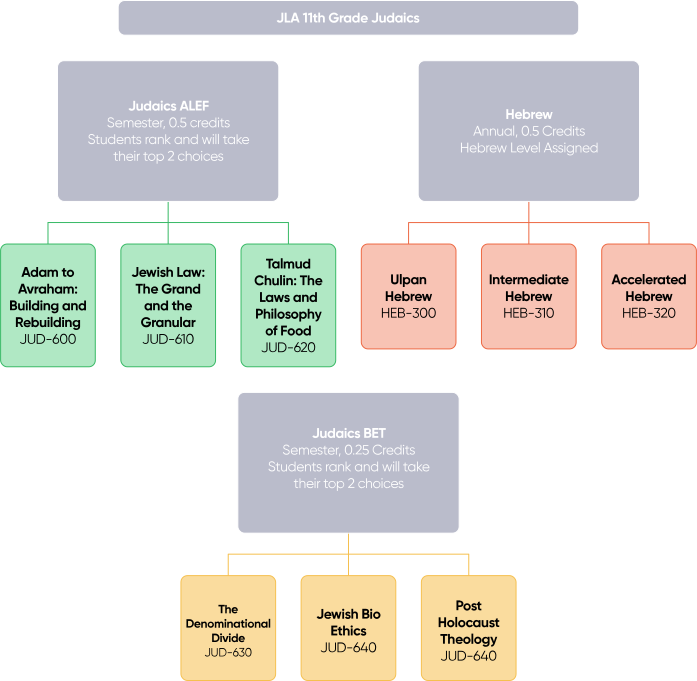
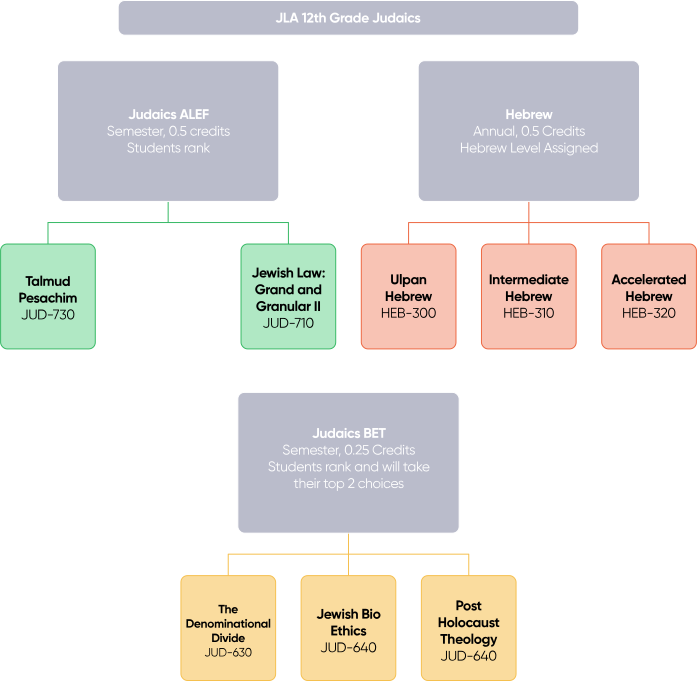
Judaics Sequence

Our Judaics curriculum is rigorous and thoughtfully designed with detailed course sequences that guide students through each grade level. The program provides students with a deep and structured understanding of Jewish texts, history, and values throughout their academic journey. We aim to cultivate a lifelong connection to Torah, tradition, and community, empowering our students to grow as knowledgeable and committed Jewish leaders.

Poetry and Rememberance

As part of their English curriculum, 9th grade students participated in a powerful interdisciplinary program called Poetry and Remembrance that blended history, art, and creative writing with Jewish history and identity. One highlight was a screening of the film “Portrait of Harry”, a moving documentary about artist and Holocaust survivor Harry Somers, followed by an intimate Q&A with the film’s director. Students then stepped into an exhibition of Somers’ vibrant paintings, displayed gallery-style, and engaged with them through ekphrastic poetry—writing in response to or in conversation with the art. Their work reflected themes of survival, memory, and the power of creativity to heal. The program, which coincided with Holocaust Remembrance Day, has been a deeply meaningful way for students to connect with history and explore the ways art and poetry can transcend tragedy.

Exploring Biotech Credentials

Certified biotechnologists Gustavo R. ’26 and Talia W. ’26 recently earned the BACE industry credential, qualifying them for entry-level technician positions in the bioscience industry. This certification, known as the Biotechnician Assistant Credentialing Exam (BACE), includes both a theoretical and a practical section, each requiring a passing score of 80% or higher. With this achievement, Gustavo and Talia are prepared for roles such as quality control technician, research technician, process technician, specimen collector, and more.

Judaics

By offering student choice in their course selection and by providing texts in translation to those who need it, our unique Judaic Studies curriculum focuses on high level text-based study while maintaining accessibility for everyone, regardless of background.

In our Hebrew Language program students concentrate on spoken language, rather than reading and writing, in order to build their capacity to communicate effectively in Hebrew by the time they graduate.

Jewish life on campus begins every morning with Tefillah in which students have the choice of an Ashekanzi minyan, a Sephardi minyan, or an explanatory minyan for those who are just beginning. And every Friday the Jewish calendar comes to life as students gather for an immersive experience in our Soul Center program by diving deeply into the weekly parsha, an upcoming holiday, or a day of commemoration. Jewish life at JLA also extends to our families as they are often welcomed onto campus for holiday celebrations, adult education, and inspiring Israel-focused programs.

Annual Night of the Arts

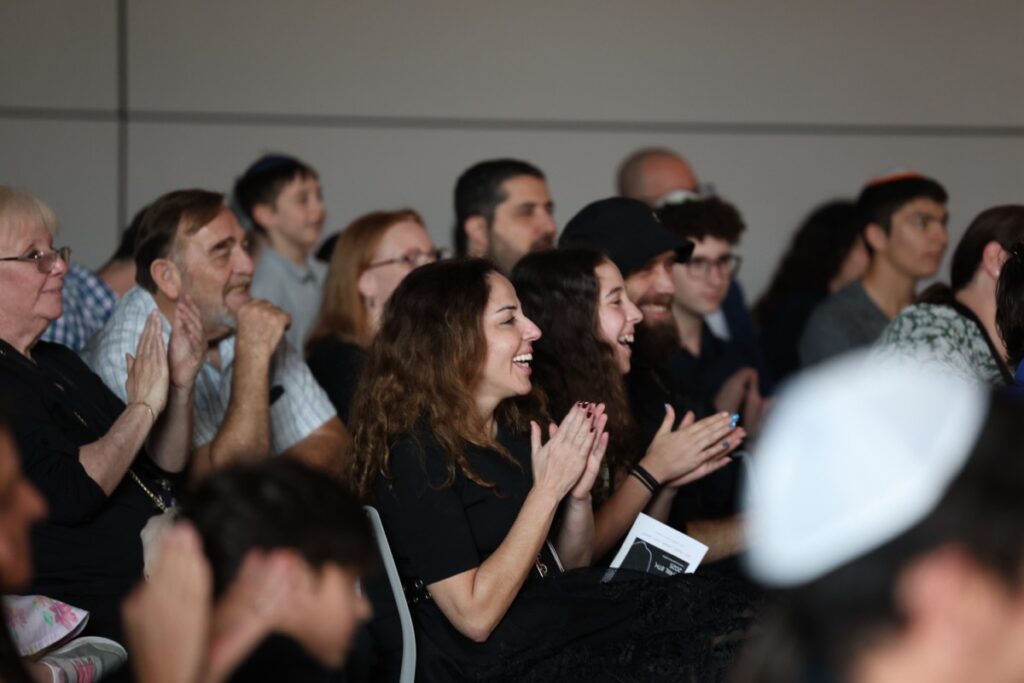
During the Annual Night of the Arts students showcase their creativity and passion through improv performances, choreographed dances, and musical performances. They also premiere original films and proudly display their incredible works of art.

Dance Program

JLA is proud to offer dance to students through several different channels. Students may opt to take dance, fitness, and yoga in lieu of their PC course. Or they may elect to take dance technique as an arts elective which will cover more of the artistic and stylistic elements of dance as an art form. Additionally, student may elect to sign up to be part of the dance ensemble as an Option 9 class that meets twice a week after school.

Morning Joe

During the middle school years, the purpose of Morning Joe will be to introduce students to information literacy: how to find, evaluate, and use information. The curriculum will use a scaffolded approach to ensure students are prepared as lifelong consumers of information. The skills will begin with an introduction to information literacy. This includes recognizing different source types, and evaluating those sources for reliability. They continue in seventh grade with the creation of specific research questions and the ability to research through library databases. In their final year of middle school, students will discuss information ethics and citations. All lessons will include skills, taught through the use of current events. The goal is to produce informed citizens and members of the community.

Using the skills learned in these years, the Upper School Morning Joe program will focus on critical thinking and research skills. The ninth grade phase of the program will focus on actively attaining the research skills necessary to create and evaluate editorials and all journalistic productions. The tenth grade will continue those same skills, in addition to their first real training at team debate strategies and the methods of acquiring, gathering, and organizing information for those debates. The eleventh grade will participate in formal debate, media bias training, and long-form op-ed creation. Lastly, the seniors will work on projects relating to creating not just a single op-ed, but a larger series or investigative piece, and help to moderate and critique the debates put on by the tenth and eleventh graders.

The overall goal of Morning Joe remains to develop the ability of students who can confidently discuss current events and sensitive topics with balance and fairness.

JLA Journey to Remembrance

An Immersive Holocaust Education Experience for 12th Grade

Journey to Remembrance launches the senior year of JLA’s Ba’aretz program with a powerful and transformative week in Poland, where students explore the richness of pre-war Jewish life and confront the devastating impact of the Holocaust.

This experience is conducted in partnership with JRoots, an organization dedicated to creating meaningful and educational Jewish journeys. With their expert guidance and deep historical insight, students are led through Poland’s most significant sites. Visits to key historical sites such as the Warsaw Ghetto, Majdanek, Auschwitz-Birkenau, and Chelmno, as well as towns like Lublin, Leżajsk, and Kraków, each offering profound lessons in Jewish history, faith, resilience, and moral courage. Shabbat in Kraków and visits to Jewish centers like Yeshivat Chachmei Lublin and the JCC Krakow help connect past to present.

By walking in the footsteps of our ancestors, students gain a deeper understanding of their Jewish identity and the enduring responsibility of remembrance. The journey concludes with their arrival in Israel, where they rejoin the upper school to complete their final year—carrying the lessons of Poland into their future and gaining a new understanding and appreciation of the importance of the land of Israel for the Jewish nation.

Sample Schedule

Course Catalogue

Orchid Conservation Research Center

The Orchid Conservation Research Center provides students with hands-on experience in real-world scientific research focused on the preservation of rare and endangered native orchid species. Students participate in every stage of the process – from plant propagation, to data collection in the field, to maintaining living specimens and contributing to conservation initiatives in partnership with Fairchild Tropical Botanic Garden & The Kampong, National Tropical Botanic Garden. Through this program, students develop critical laboratory and research skills while deepening their understanding of plant biology, biodiversity, and environmental stewardship.

Judaics Program Overview

We take a different approach to Judaics.

By offering student choice in their course selection and by providing texts in translation to those who need it, our unique Judaic Studies curriculum focuses on high level text-based study while maintaining accessibility for everyone, regardless of background.

In our Hebrew Language program students concentrate on spoken language, rather than reading and writing, in order to build their capacity to communicate effectively in Hebrew by the time they graduate.

Jewish life on campus begins every morning with Tefillah in which students have the choice of an Ashekanzi minyan, a Sephardi minyan, or an explanatory minyan for those who are just beginning. And every Friday the Jewish calendar comes to life as students gather for an immersive experience in our Soul Center program by diving deeply into the weekly parsha, an upcoming holiday, or a day of commemoration. Jewish life at JLA also extends to our families as they are often welcomed onto campus for holiday celebrations, adult education, and inspiring Israel-focused programs.

Star Summit USA

Star Summit USA is an intensive eight-day trip designed to immerse our eighth-grade students in the history of the United States’ founding. Students will travel to Philadelphia and Washington D.C. to experience this history firsthand, touring iconic locations like the Liberty Bell and the Halls of Congress.

Through these experiences, students explore themes of freedom, the struggle for Civil Rights, and the ongoing challenges facing America. The journey is also an opportunity to build community and make lasting memories, featuring a special Shabbat experience and many chances to forge new friendships.

Star Summit USA kicks off the critical eighth-grade year, bringing our students together to appreciate where we came from and understand their role in shaping our future.

Now accepting applications for the 2026/27 school year.